
Contents
- 🏛️ What is Stoicism, Really?
- 🎯 Who Benefits Most from Stoicism?
- 📜 Key Principles to Live By
- 🧠 Stoic Practices for Daily Life
- 🤔 Stoicism vs. Other Philosophies
- 📚 Essential Stoic Texts & Authors
- 🗣️ Modern Stoicism: A Revival?
- ⚠️ Common Misconceptions About Stoicism
- 🚀 Getting Started with Stoicism
- Frequently Asked Questions
- Related Topics
Overview
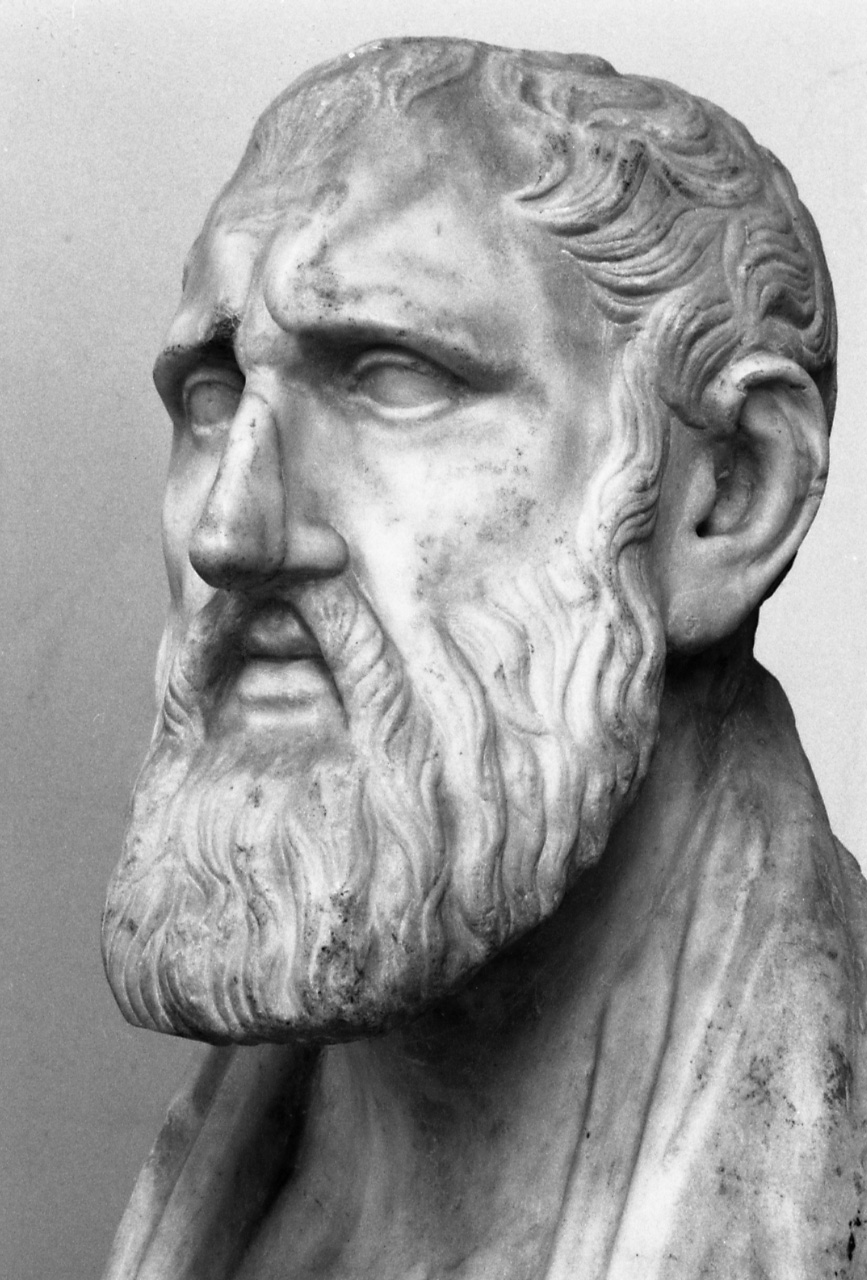
Stoicism is a practical philosophy originating in ancient Athens, founded by Zeno of Citium around 300 BCE. It's not about suppressing emotions, as many assume, but about understanding what is within our control and what isn't, and focusing our energy on the former. The core idea is to cultivate virtue, reason, and resilience to live a flourishing life, or eudaimonia, regardless of external circumstances. Think of it as a toolkit for navigating life's inevitable challenges with equanimity and wisdom, rather than a rigid dogma. Its enduring appeal lies in its direct applicability to everyday struggles, from minor annoyances to major crises.
🎯 Who Benefits Most from Stoicism?
This philosophy is particularly beneficial for individuals seeking greater mental fortitude and emotional stability. If you find yourself frequently stressed by things outside your influence, prone to anger or anxiety, or struggling to find meaning in adversity, Stoicism offers a structured approach. It's for the ambitious professional facing setbacks, the parent juggling multiple demands, the student navigating academic pressures, or anyone yearning for a more tranquil and purposeful existence. It's less about achieving a perfect life and more about perfecting one's response to life's imperfections.
📜 Key Principles to Live By
At its heart, Stoicism champions four cardinal virtues: wisdom, justice, courage, and temperance. A central tenet is the dichotomy of control, distinguishing between what we can influence (our judgments, desires, actions) and what we cannot (external events, other people's opinions, our health). Stoics also emphasize living in accordance with nature, understanding that we are rational beings part of a larger, ordered cosmos. This involves accepting what happens with grace and acting virtuously in all situations, recognizing our interconnectedness with others.
🧠 Stoic Practices for Daily Life
Practical application is key. Daily exercises include morning affirmations to set intentions, journaling to reflect on actions and judgments, and the premeditatio malorum (premeditation of evils) to mentally prepare for potential hardships. Practicing mindfulness and focusing on the present moment, rather than dwelling on the past or worrying about the future, is crucial. Another technique is cognitive reframing, where you actively challenge and alter negative thought patterns by examining their validity and replacing them with more rational perspectives.
🤔 Stoicism vs. Other Philosophies
Unlike Epicureanism, which seeks pleasure and avoids pain, Stoicism focuses on virtue as the sole good and accepts hardship as an opportunity for growth. While Buddhism also emphasizes detachment and mindfulness, Stoicism's framework is more explicitly rooted in reason and a cosmic order, with a stronger emphasis on civic duty and social engagement. Stoicism doesn't deny emotions but teaches us to understand their origins in our judgments and to manage them through rational analysis, a contrast to philosophies that might advocate for emotional suppression or indulgence.
🗣️ Modern Stoicism: A Revival?
Stoicism has experienced a significant resurgence in recent years, particularly in the digital age. Online communities, podcasts, and books are making its principles accessible to a wider audience. This modern interpretation often focuses on its utility for stress management, personal development, and building resilience in a chaotic world. While some critics argue this popularization oversimplifies the philosophy, its growing influence suggests a deep-seated human need for its practical wisdom.
⚠️ Common Misconceptions About Stoicism
A major misconception is that Stoicism advocates for emotionless indifference. In reality, Stoics aimed to understand and manage emotions, not eradicate them. They believed destructive emotions stem from faulty judgments. Another myth is that Stoicism promotes passivity; on the contrary, it encourages active engagement with the world, focusing energy on what can be changed and acting virtuously. It's also not about suppressing desires, but about aligning them with reason and virtue, ensuring they don't lead to suffering when unmet.
🚀 Getting Started with Stoicism
To begin your Stoic journey, start with reading one of the primary texts, such as The Enchiridion. Practice the dichotomy of control daily: identify what you can and cannot control in any given situation. Keep a journal to record your thoughts, judgments, and actions, reflecting on how well you lived according to Stoic principles. Engage with modern Stoic resources like podcasts or online forums to find community and further insights. The most crucial step is consistent, deliberate practice, integrating these ideas into your daily life.
Key Facts
- Year
- -300
- Origin
- Ancient Greece
- Category
- Philosophy
- Type
- Philosophy
- Format
- what-is
Frequently Asked Questions
Is Stoicism about being emotionless?
No, this is a common misunderstanding. Stoicism teaches the management of emotions through reason, not their suppression. The goal is to understand that destructive emotions arise from faulty judgments about external events, and by correcting these judgments, one can achieve equanimity and inner peace. It's about responding wisely, not feeling nothing.
What is the 'dichotomy of control'?
This is a fundamental Stoic principle that divides all things into two categories: those within our control and those outside our control. Things within our control include our thoughts, judgments, desires, and actions. Things outside our control include external events, other people's opinions, our reputation, and our physical health. Stoicism teaches us to focus our energy solely on what we can control.
Can Stoicism help with anxiety?
Absolutely. By teaching individuals to differentiate between what they can and cannot control, Stoicism provides a powerful framework for reducing anxiety. It encourages acceptance of uncontrollable events and shifts focus to virtuous action and rational judgment, thereby diminishing worry about future uncertainties or past regrets.
Who were the main Stoic philosophers?
The most prominent figures include Zeno of Citium, the founder; Cleanthes and Chrysippus, who systematized Stoic doctrine; and later Roman Stoics like Seneca, Epictetus, and the emperor Marcus Aurelius. Their writings form the core of Stoic philosophy.
Is Stoicism compatible with religion?
Stoicism can be compatible with many religious beliefs, though it is not inherently religious. Its emphasis on reason, virtue, and living in accordance with nature can align with various spiritual frameworks. Some Stoics believed in a divine cosmic reason (Logos), which can be interpreted in pantheistic or theistic ways, making it adaptable to different belief systems.
How is Stoicism different from modern self-help?
While modern self-help often borrows from Stoic principles, Stoicism is a comprehensive philosophical system with a deep historical lineage and a focus on virtue as the ultimate good. Many self-help approaches might focus solely on practical techniques for happiness or success, whereas Stoicism offers a complete worldview centered on living a rational, virtuous, and meaningful life, regardless of external outcomes.