
Contents
Overview
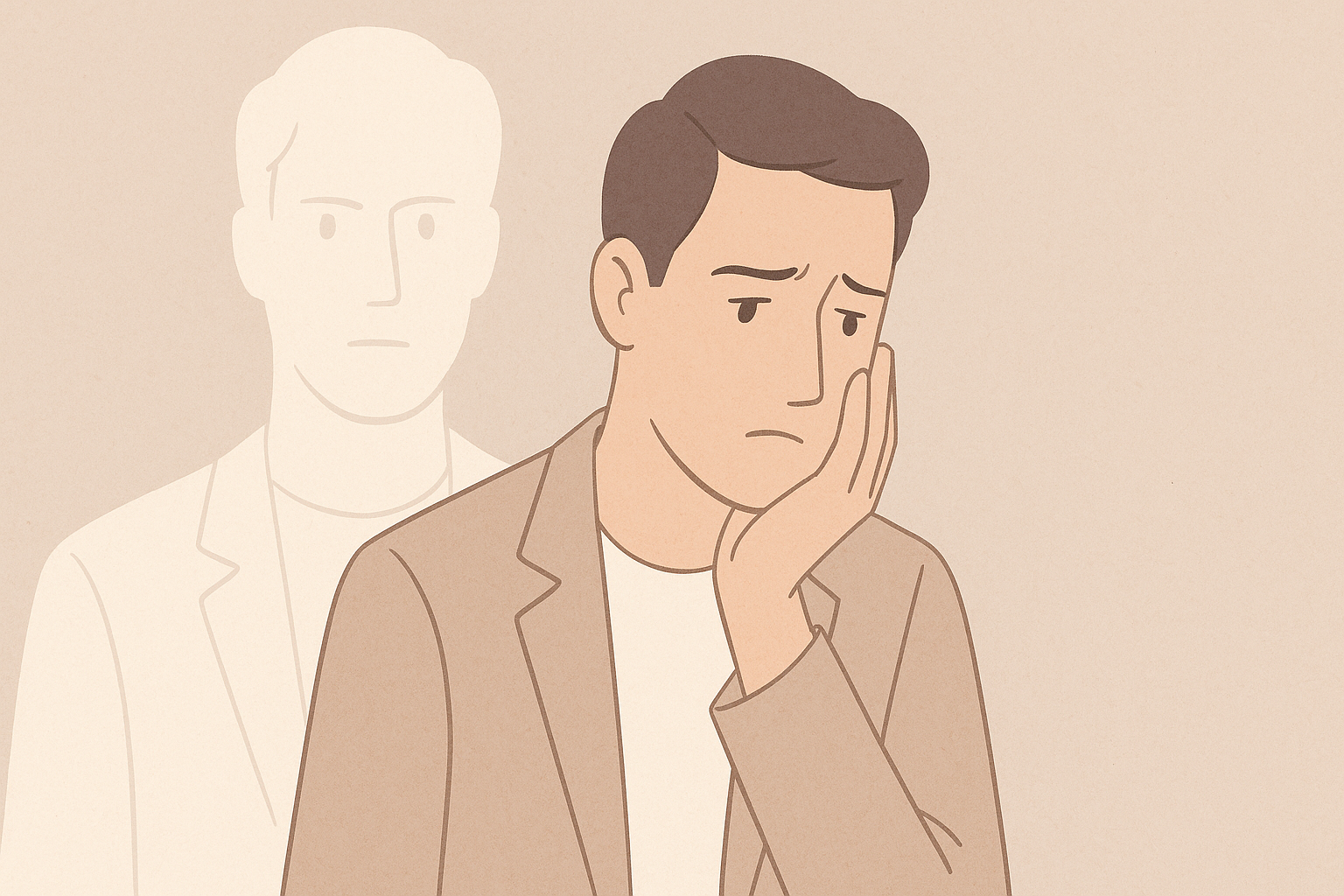
Imposter syndrome is a psychological pattern where individuals doubt their skills, talents, or accomplishments and have a persistent internalized fear of being exposed as a 'fraud.' Despite external evidence of their competence, those experiencing imposter syndrome remain convinced that they are undeserving of their success. This phenomenon is not a recognized mental disorder but a common experience, particularly prevalent among high achievers. It can manifest in various ways, from overworking to procrastination, driven by the fear of not measuring up. Understanding its roots and common manifestations is the first step toward dismantling its hold and fostering genuine self-belief.
❓ What is Imposter Syndrome?
Imposter syndrome is a psychological pattern where individuals doubt their skills, talents, or accomplishments and have a persistent internalized fear of being exposed as a 'fraud.' This isn't a formal mental health diagnosis in the DSM-5, but rather a pervasive experience that can significantly impact one's career and personal life. It's characterized by an inability to internalize success, attributing achievements to luck, timing, or deceiving others into thinking they are more competent than they actually are. This internal narrative can lead to chronic stress and anxiety, even in high-achievers.
💡 Who Experiences It?
While often associated with high-achieving individuals, imposter syndrome can affect anyone, regardless of their profession, gender, or background. It's particularly prevalent among students, professionals in competitive fields, and those entering new roles or environments where they feel underqualified. Research suggests it's common in fields like STEM, academia, and entrepreneurship, but its roots can be found in early childhood experiences and societal pressures. Anyone who has ever felt they don't quite belong or deserve their success might recognize these feelings.
📈 Common Signs & Symptoms
Key indicators include a persistent feeling of inadequacy, intense fear of failure, overworking to compensate for perceived shortcomings, and dismissing praise or positive feedback. Individuals might constantly compare themselves to others, believing everyone else is more capable. They may also experience perfectionism, where anything less than flawless is seen as proof of their fraudulence. This internal struggle often leads to procrastination or, conversely, excessive preparation, both driven by the fear of being 'found out.'
⚖️ Imposter Syndrome vs. Self-Doubt
While related, imposter syndrome is distinct from general self-doubt. Self-doubt is often situational and can be overcome with evidence or experience. Imposter syndrome, however, is a deeply ingrained belief system that persists even in the face of overwhelming evidence of competence. It's the internalization of success that's missing; achievements are seen as external factors rather than reflections of one's own abilities. Think of it as a persistent, internal critic that no amount of external validation can silence.
🛠️ Tools & Strategies for Management
Several practical strategies can help mitigate imposter syndrome. Cognitive Behavioral Therapy (CBT) techniques, such as identifying and challenging negative thought patterns, are highly effective. Keeping a 'success journal' where you document accomplishments and positive feedback can serve as a tangible reminder of your capabilities. Setting realistic goals, breaking down large tasks, and celebrating small wins can build confidence. Learning to accept constructive criticism without it reinforcing your 'fraudulent' self-image is also crucial.
📚 Further Reading & Resources
For those seeking deeper understanding, several books offer valuable insights. 'The Imposter Syndrome' by Dr. Valerie Young provides a comprehensive look at the phenomenon and practical strategies for overcoming it. 'Mindset: The New Psychology of Success' by Carol S. Dweck explores the power of a growth mindset, which is antithetical to the fixed mindset often fueling imposter feelings. Exploring resources on self-compassion and cognitive reframing can also provide additional tools.
🌟 Professional Support Options
If imposter syndrome is significantly impacting your well-being or professional life, seeking professional help is a wise step. Therapists specializing in anxiety disorders or cognitive behavioral therapy can provide tailored support. Many coaches also focus on imposter syndrome, offering guidance and accountability. Don't hesitate to explore mental health resources or consult with a licensed therapist to develop personalized coping mechanisms and build lasting self-confidence.
Key Facts
- Year
- 1978
- Origin
- First described by psychologists Pauline Rose Clance and Suzanne Imes in their 1978 study on high-achieving women.
- Category
- Psychology & Self-Help
- Type
- Psychological Phenomenon
- Format
- what-is
Frequently Asked Questions
Is imposter syndrome a recognized mental illness?
No, imposter syndrome is not a formal diagnosis in the Diagnostic and Statistical Manual of Mental Disorders (DSM-5). It's considered a psychological pattern or experience that can co-occur with conditions like anxiety or depression, but it is not a standalone disorder. Many people experience it without having a clinical mental health condition.
Can imposter syndrome be cured?
While there isn't a 'cure' in the traditional sense, imposter syndrome can be effectively managed and its impact significantly reduced. Through self-awareness, cognitive reframing, and developing coping strategies, individuals can learn to challenge these feelings and internalize their successes. It's more about learning to live with and navigate these feelings rather than eradicating them entirely.
What's the difference between imposter syndrome and low self-esteem?
Low self-esteem is a general negative evaluation of one's worth. Imposter syndrome is more specific, focusing on a fear of being exposed as incompetent or a fraud, despite evidence of success. Someone with low self-esteem might feel generally unworthy, while someone with imposter syndrome might feel they've tricked others into believing they are worthy.
How does imposter syndrome affect career progression?
Imposter syndrome can hinder career progression by causing individuals to avoid opportunities, shy away from promotions, or fail to negotiate for fair compensation due to a belief they don't deserve it. It can also lead to burnout from overworking to compensate for perceived inadequacies, paradoxically sabotaging long-term success.
Are women more prone to imposter syndrome than men?
While early research often focused on women, current understanding suggests imposter syndrome affects people of all genders. Societal expectations and systemic biases can exacerbate these feelings for certain groups, but the core psychological pattern is not exclusive to any one gender. It's a widespread human experience.
What is the 'imposter cycle'?
The imposter cycle describes a pattern of behavior triggered by a task. Individuals might procrastinate, then over-prepare intensely, complete the task, feel relief but attribute success to luck or effort rather than ability, and then feel anxious about the next task, perpetuating the cycle. This cycle reinforces the belief that they are not truly capable.