
Contents
- 🧠 What is Dopamine?
- ✨ The Reward System: Dopamine's Star Role
- 💡 Dopamine Beyond Pleasure: Motivation and Learning
- 📉 When Dopamine Goes Awry: Imbalances and Disorders
- 📈 Boosting Dopamine Naturally: Practical Strategies
- 🔬 Dopamine in the Lab: Research and Future Directions
- ⚖️ The Dopamine Debate: Addiction, Free Will, and Ethics
- 🌟 Dopamine's Cultural Impact: From Science to Self-Help
- Frequently Asked Questions
- Related Topics
Overview
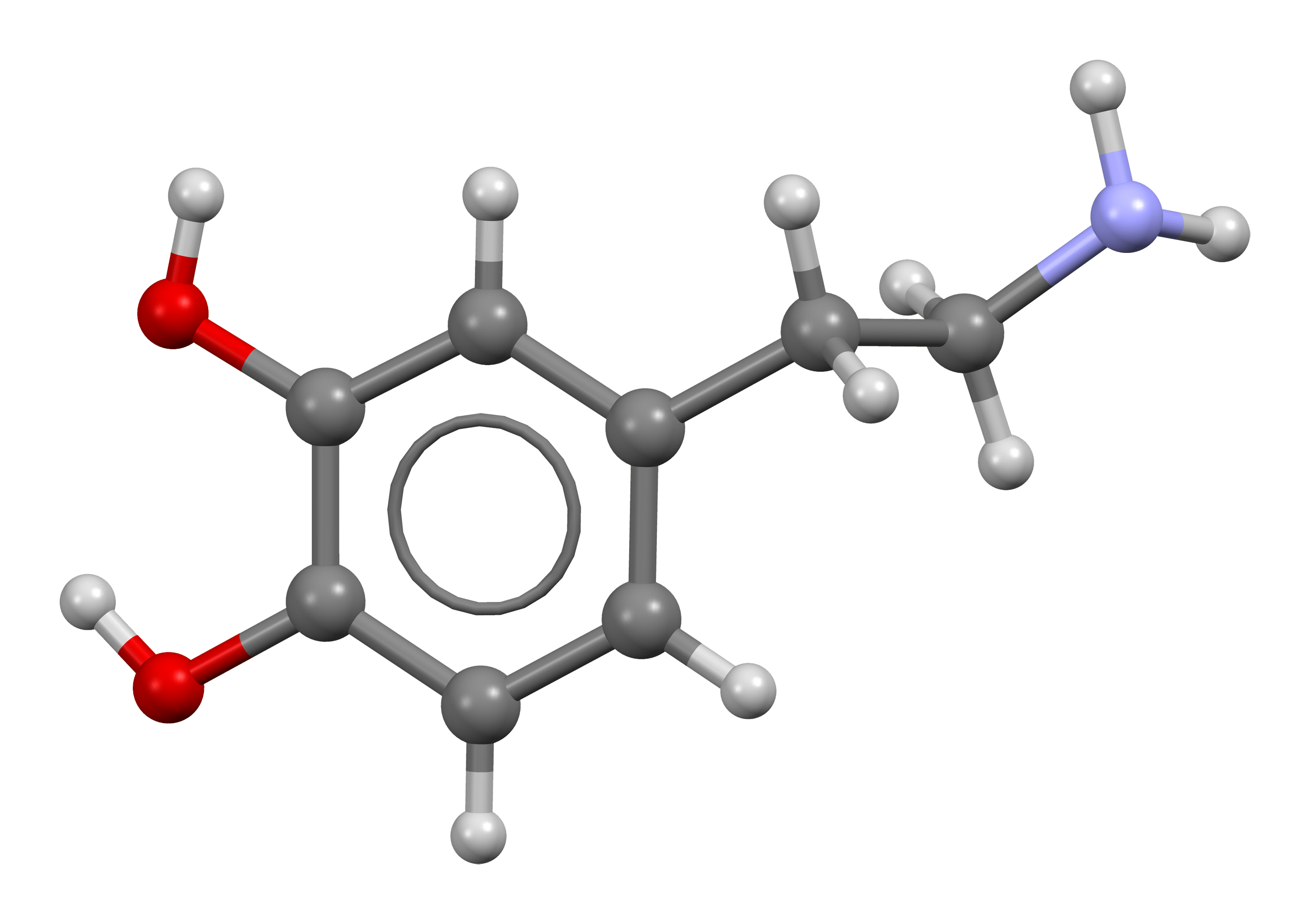
Dopamine is a neurotransmitter, a chemical messenger in the brain that plays a crucial role in numerous bodily functions. Often dubbed the 'feel-good' chemical, its influence extends far beyond simple pleasure, impacting everything from movement and mood to attention and motivation. Synthesized in several areas of the brain, including the substantia nigra and the ventral tegmental area, dopamine acts on specific dopamine receptors to transmit signals between nerve cells. Understanding dopamine is key to grasping how our brains drive behavior and experience the world.
✨ The Reward System: Dopamine's Star Role
The most celebrated function of dopamine is its central role in the brain's reward pathway. When we experience something pleasurable or rewarding—like eating delicious food, achieving a goal, or engaging in social interaction—dopamine is released, signaling that the experience is valuable and should be repeated. This surge creates a feeling of satisfaction and reinforces the behavior that led to the reward. This mechanism is fundamental to operant conditioning, shaping our habits and preferences over time.
💡 Dopamine Beyond Pleasure: Motivation and Learning
While dopamine is synonymous with reward, its function is more nuanced. It's not just about experiencing pleasure, but about the anticipation of reward and the motivation to pursue it. Dopamine neurons fire more intensely when we expect a reward, driving us to seek it out. This makes dopamine critical for goal-directed behavior and learning, as it helps us associate actions with outcomes and adapt our strategies to achieve desired results. Without this motivational drive, initiating tasks would be significantly harder.
📉 When Dopamine Goes Awry: Imbalances and Disorders
Imbalances in dopamine levels or receptor function are implicated in a range of neurological and psychiatric conditions. Parkinson's disease, for instance, is characterized by the degeneration of dopamine-producing neurons in the substantia nigra, leading to motor deficits like tremors and rigidity. Conversely, dysregulation of dopamine pathways is linked to schizophrenia, where excessive dopamine activity in certain brain regions is thought to contribute to positive symptoms like hallucinations. Attention deficit hyperactivity disorder (ADHD) is also associated with altered dopamine signaling, affecting focus and impulse control.
📈 Boosting Dopamine Naturally: Practical Strategies
Many people seek ways to naturally enhance their dopamine levels to improve mood, motivation, and overall well-being. Engaging in activities known to trigger dopamine release, such as regular exercise, listening to music, getting enough sleep, and consuming protein-rich foods (which provide the amino acid tyrosine, a precursor to dopamine), can be beneficial. Practicing mindfulness and achieving small, manageable goals can also provide a sense of accomplishment that stimulates dopamine release, fostering a positive feedback loop.
🔬 Dopamine in the Lab: Research and Future Directions
Neuroscience research continues to unravel the complexities of dopamine. Advanced imaging techniques like fMRI and PET scans allow scientists to observe dopamine activity in living brains, providing insights into its role in various cognitive processes and disorders. Researchers are also exploring novel therapeutic targets for conditions involving dopamine dysregulation, including new medications and deep brain stimulation techniques. The ongoing quest is to understand dopamine's intricate circuitry and its precise influence on behavior and consciousness.
⚖️ The Dopamine Debate: Addiction, Free Will, and Ethics
The pervasive influence of dopamine has sparked considerable debate, particularly concerning addiction. Critics argue that the focus on dopamine as the 'pleasure chemical' oversimplifies the complex nature of addiction, which involves intricate psychological and social factors. Furthermore, the understanding of dopamine's role in motivation and reward has raised questions about free will and decision-making, with some suggesting that our choices are heavily influenced by these neurochemical processes. Ethical considerations also arise when discussing dopamine-targeting medications and their potential side effects.
🌟 Dopamine's Cultural Impact: From Science to Self-Help
Dopamine has permeated popular culture, often appearing in self-help literature and discussions about productivity and happiness. The concept of 'dopamine fasting' or 'dopamine detox' has gained traction, though often misinterpreting the neurotransmitter's actual function. While the simplified narrative of dopamine as solely responsible for pleasure can be misleading, its widespread recognition highlights a growing public interest in neuroscience and the biological underpinnings of human experience. This cultural resonance underscores the profound impact dopamine has on how we perceive ourselves and our motivations.
Key Facts
- Year
- 1950s
- Origin
- Discovered by Arvid Carlsson and colleagues, who later won a Nobel Prize for their work on dopamine's role in the central nervous system.
- Category
- Neuroscience
- Type
- Concept
- Format
- what-is
Frequently Asked Questions
Is dopamine only about pleasure?
While dopamine is strongly associated with the brain's reward system and feelings of pleasure, its role is much broader. It's critically involved in motivation, learning, attention, mood regulation, and motor control. The 'pleasure' aspect is often tied to the anticipation and pursuit of rewards, not just the experience itself.
What happens if I have too much or too little dopamine?
Dopamine imbalances are linked to various conditions. Low dopamine levels are a hallmark of Parkinson's disease, causing motor symptoms. Conversely, excessive dopamine activity in certain brain pathways is implicated in the positive symptoms of schizophrenia. Altered dopamine signaling also plays a role in ADHD and addiction.
Can I increase my dopamine levels naturally?
Yes, certain lifestyle choices can support healthy dopamine function. Regular exercise, adequate sleep, listening to music, meditation, and consuming a diet rich in protein (especially foods containing tyrosine) are often cited. Achieving small goals and engaging in enjoyable activities can also stimulate dopamine release.
What is 'dopamine fasting'?
'Dopamine fasting' is a popular concept, often misunderstood. It typically involves abstaining from activities that provide immediate gratification to reset one's sensitivity to rewards. While the term is a misnomer (you can't 'fast' from a neurotransmitter), the practice aims to reduce reliance on constant stimulation and improve focus on more meaningful tasks.
How does dopamine relate to addiction?
Dopamine is central to the brain's reward pathway, which drugs of abuse hijack. Addictive substances often cause a massive surge in dopamine, reinforcing drug-seeking behavior. This intense reinforcement can override natural reward mechanisms, leading to compulsive use despite negative consequences. Understanding this dopamine surge is key to understanding addiction's powerful grip.