
Contents
Overview
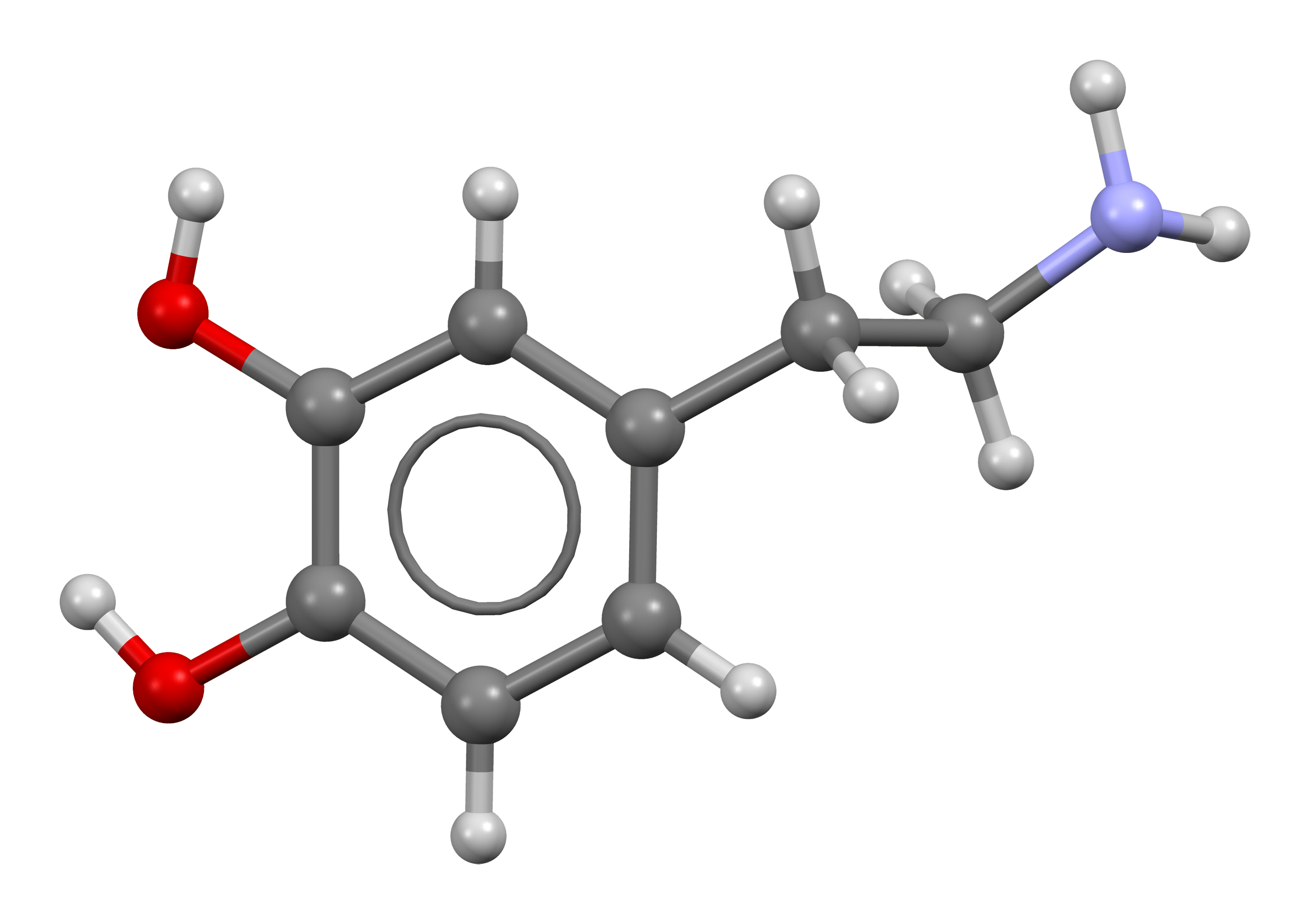
Dopamine, a catecholamine and phenethylamine derivative, is a vital organic chemical that functions as both a hormone and a neurotransmitter. Synthesized primarily in the brain's substantia nigra and VTA, it acts as a chemical messenger, transmitting signals between neurons (nerve cells). Its name is derived from '3,4-dihydroxyphenethylamine,' highlighting its chemical structure. Dopamine is fundamental to numerous physiological processes, most notably the brain's intricate reward pathways, which govern motivation, pleasure, and reinforcement learning.
🔬 How It Works (Mechanics)
Dopamine operates through a sophisticated system of dopaminergic neurons. When a neuron fires, it releases dopamine into the synapse, the gap between neurons. This released dopamine then binds to specific dopamine receptors on the adjacent neuron, either exciting or inhibiting it, thereby modulating the signal. Key dopamine pathways include the mesolimbic pathway (associated with reward and addiction), the mesocortical pathway (involved in executive functions), the nigrostriatal pathway (critical for motor control), and the tuberoinfundibular pathway (regulating hormone release). After signaling, dopamine is either broken down by enzymes like MAO and COMT, or reabsorbed by the presynaptic neuron via DATs.
📊 Key Facts, Numbers & Statistics
• Production Site: Primarily synthesized in the substantia nigra and VTA of the brain, as well as in the adrenal glands and kidneys. • Receptor Types: Dopamine is also produced in the adrenal glands and kidneys, where it functions as a hormone regulating blood pressure, sodium excretion, and other physiological processes. • Addiction Link: Many addictive drugs cause a surge in synaptic dopamine levels, according to studies on cocaine and amphetamine effects.
🌍 Real-World Examples & Use Cases
• Reward and Motivation: The anticipation and experience of rewards—like eating delicious food, receiving praise, or achieving a goal—trigger dopamine release, reinforcing the behavior. This is why gamification often leverages dopamine loops. • Motor Control: The nigrostriatal pathway is essential for smooth, coordinated movement. Degeneration of dopamine-producing neurons in the substantia nigra leads to Parkinson's disease, characterized by tremors, rigidity, and difficulty initiating movement. • Addiction: Drugs like cocaine, methamphetamine, and nicotine hijack the reward pathway by artificially increasing dopamine levels, leading to intense cravings and compulsive drug-seeking behavior. • Learning and Focus: Dopamine plays a role in attention and working memory, helping us focus on relevant stimuli and learn from experiences. Conditions like ADHD are sometimes treated with medications that affect dopamine signaling.
📈 History & Evolution
The understanding of dopamine's role began to crystallize in the mid-20th century. Early research in the 1950s by scientists like Arvid Carlsson (who later won a Nobel Prize for his work) identified dopamine as a distinct neurotransmitter, challenging previous assumptions that it was merely a precursor to other compounds. The discovery of its critical role in Parkinson's disease in the 1960s, particularly the link to dopamine deficiency in the basal ganglia, was a major breakthrough. Subsequent decades saw the mapping of distinct dopamine pathways and the unraveling of its involvement in reward, motivation, and the neurobiology of addiction.
⚡ Current State & Latest Developments
Current research is intensely focused on the nuanced roles of different dopamine receptor subtypes and their specific circuits. Scientists are exploring novel therapeutic targets for neurological disorders and mental health conditions by precisely modulating dopamine signaling, rather than broad-stroke approaches. Advances in neuroimaging techniques like PET scans allow for real-time visualization of dopamine activity in living brains. There's also growing interest in the interplay between dopamine and other neurotransmitters like serotonin and glutamate in complex behaviors.
🔮 Why It Matters & Future Outlook
Dopamine is fundamental to what drives us. It's the chemical currency of motivation, shaping our pursuit of everything from basic survival needs to complex goals. For individuals, understanding dopamine can illuminate patterns of behavior, addiction, and mood. For medicine, it offers pathways to treat debilitating conditions. The future likely holds more personalized therapies targeting specific dopamine dysfunctions, potentially revolutionizing treatments for everything from depression to schizophrenia. However, the complexity of dopamine's influence also raises ethical questions about its manipulation, particularly in areas like neuroenhancement and behavioral economics.
🤔 Common Misconceptions
• Misconception 1: Dopamine = Pleasure. While dopamine is involved in pleasure, it's more accurately the neurotransmitter of anticipation and motivation for reward. The actual feeling of pleasure might involve other systems like opioids. • Misconception 2: Low Dopamine = Depression. While dopamine dysregulation can contribute to depressive symptoms (like anhedonia), depression is a complex condition with multiple neurochemical and psychological factors, often involving serotonin and norepinephrine as well. • Misconception 3: Dopamine is Only in the Brain. Dopamine is also produced in the adrenal glands and kidneys, where it functions as a hormone regulating blood pressure, sodium excretion, and other physiological processes. • Misconception 4: All Dopamine is 'Good'. Dopamine's role is context-dependent. While essential for motivation, excessive or dysregulated dopamine signaling is implicated in conditions like psychosis and mania.
Key Facts
- Year
- mid-20th century (discovery)
- Origin
- Brain and adrenal glands
- Category
- definitions
- Type
- concept
- Format
- what-is