
Contents
Overview
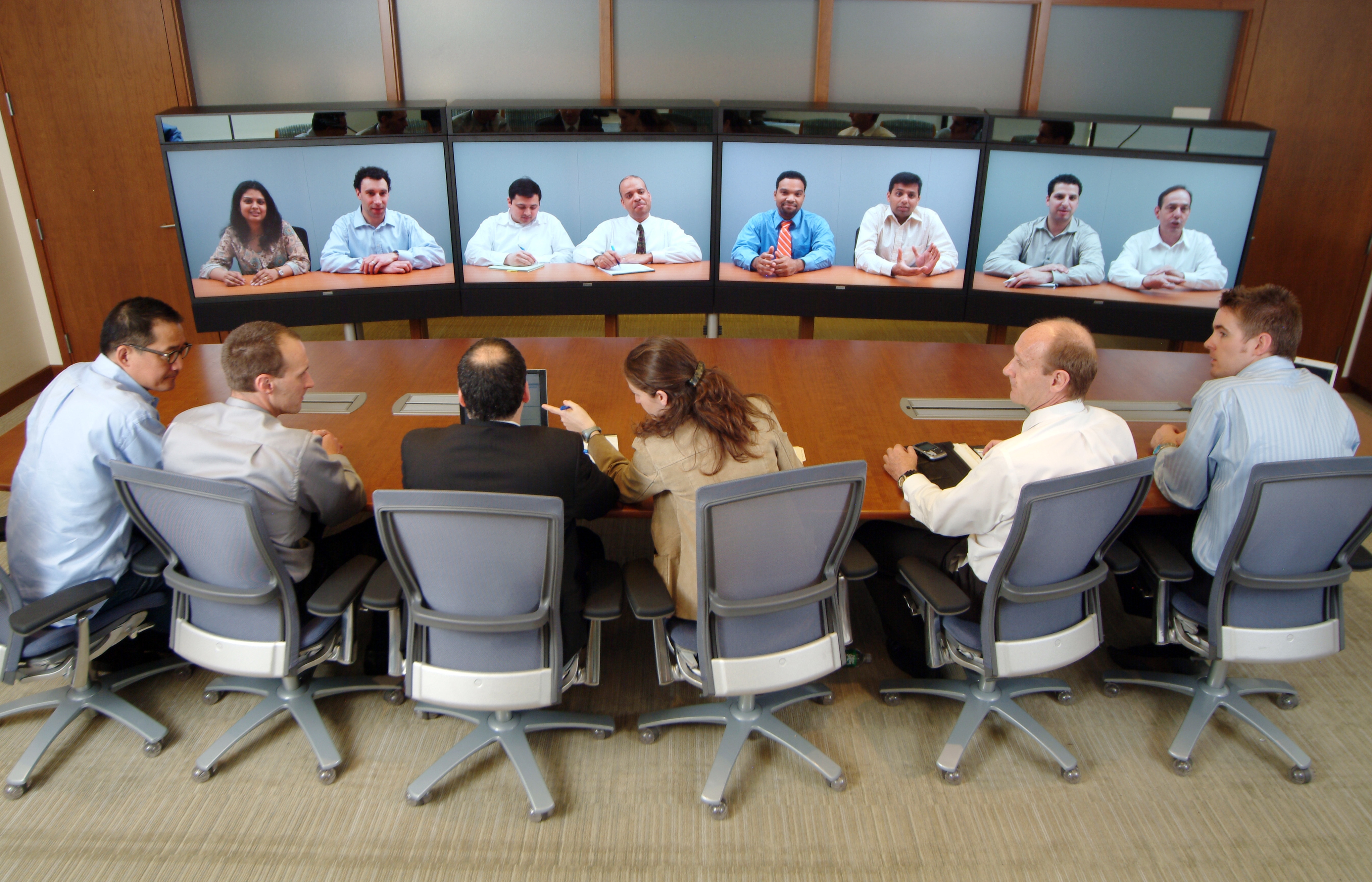
Video conferencing, a cornerstone of modern communication, enables real-time, two-way audio and visual interaction between individuals or groups across geographical divides. The primary goal is to foster a sense of shared presence, often referred to as telepresence, making remote participants feel as if they are in the same room. This technology underpins remote work, global collaboration, and personal connections, fundamentally altering how businesses operate and individuals interact. Its widespread adoption, accelerated by events like the COVID-19 pandemic, has cemented its status as an indispensable communication channel, with billions of hours logged annually across various platforms.
🎵 Origins & History
AT&T pioneered early groundwork with its Picturephone. The true democratization of video conferencing began with the advent of digital technologies and the internet, paving the way for affordable, accessible solutions like Skype and Zoom.
⚙️ How It Works
At its core, video conferencing relies on a complex interplay of hardware and software to capture, transmit, and display audio and video streams. A user's device, equipped with a camera and microphone, captures their image and voice. This data is then compressed using codecs (coder-decoder) to reduce bandwidth requirements before being transmitted over the internet. Servers, often managed by platform providers like Microsoft Teams or Google Meet, route these streams to other participants. On the receiving end, the data is decompressed and rendered as audio and video, creating the illusion of a shared space. Advanced features like screen sharing, virtual backgrounds, and AI-powered noise cancellation further enhance the interactive experience, aiming to replicate in-person meeting dynamics.
📊 Key Facts & Numbers
The scale of video conferencing is staggering. Global spending on video conferencing solutions reached an estimated $15 billion in 2022, a figure that has seen exponential growth since 2019. The average user now spends approximately 1.5 hours per day on video calls, a significant increase from pre-pandemic levels. This widespread adoption translates to billions of gigabytes of data transferred daily, highlighting the immense infrastructure required to support this communication paradigm.
👥 Key People & Organizations
Several key figures and organizations have shaped the landscape of video conferencing. AT&T, through its pioneering work on the Picturephone, laid early groundwork. Later, companies like Cisco Systems with its Webex platform, and Microsoft with Skype for Business (later Microsoft Teams), became major players. The meteoric rise of Zoom under the leadership of Eric Yuan fundamentally altered the market, particularly during the COVID-19 pandemic. Google's Google Meet also solidified its position as a major competitor, offering integrated solutions within the Google Workspace suite. These entities continue to drive innovation in the field.
🌍 Cultural Impact & Influence
Video conferencing has profoundly reshaped global culture and business practices. It has enabled the widespread adoption of remote work, allowing companies to tap into a global talent pool and offering employees greater flexibility. The ability to connect visually has also maintained social bonds during periods of physical separation, as seen during the COVID-19 pandemic. Educational institutions have leveraged video conferencing for remote learning, while healthcare providers use it for telemedicine consultations. However, this shift has also led to phenomena like 'Zoom fatigue,' a recognized form of exhaustion stemming from prolonged virtual interactions, and concerns about digital divides impacting access.
⚡ Current State & Latest Developments
The current state of video conferencing is characterized by rapid innovation and intense competition. Platforms are increasingly integrating AI features, such as real-time transcription, translation, and sentiment analysis, to enhance meeting efficiency and engagement. Security remains a paramount concern, with providers investing heavily in end-to-end encryption and robust authentication protocols following past vulnerabilities. The market is also seeing a trend towards specialized solutions, catering to specific industries like education or healthcare, and a growing demand for immersive experiences, including virtual reality and augmented reality integrations. The ongoing evolution aims to make virtual interactions indistinguishable from in-person ones.
🤔 Controversies & Debates
Significant debates surround video conferencing, particularly concerning privacy and surveillance. The vast amounts of data collected by platforms raise concerns about how this information is stored, used, and protected from unauthorized access. The ethical implications of AI-driven features, such as monitoring employee engagement or performance during calls, are also hotly contested. Furthermore, the environmental impact of the massive data centers and energy consumption required to support global video conferencing traffic is an emerging point of discussion. The digital divide, where unequal access to reliable internet and suitable devices excludes certain populations, remains a persistent challenge.
🔮 Future Outlook & Predictions
The future of video conferencing points towards increasingly seamless and integrated experiences. We can anticipate further advancements in AI to automate meeting summaries, action item tracking, and even facilitate real-time decision-making. The integration of virtual reality and augmented reality technologies promises more immersive 'telepresence' solutions, potentially blurring the lines between physical and virtual meeting spaces. Edge computing may reduce reliance on centralized servers, leading to lower latency and improved reliability. The ongoing quest is to move beyond simply seeing and hearing to truly feeling present with remote collaborators, potentially redefining the nature of work and social interaction.
💡 Practical Applications
Video conferencing has myriad practical applications across personal and professional spheres. Businesses utilize it for team meetings, client presentations, interviews, and international collaborations, reducing travel costs and time. Educational institutions employ it for lectures, remote tutoring, and virtual classrooms. Healthcare professionals conduct telemedicine appointments, remote diagnostics, and specialist consultations. Individuals use it for personal calls with family and friends, virtual social gatherings, and even online dating. The technology is also integral to online gaming communities for voice chat and coordination, and for remote support services across various industries.
Key Facts
- Category
- technology
- Type
- technology