
Contents
Overview
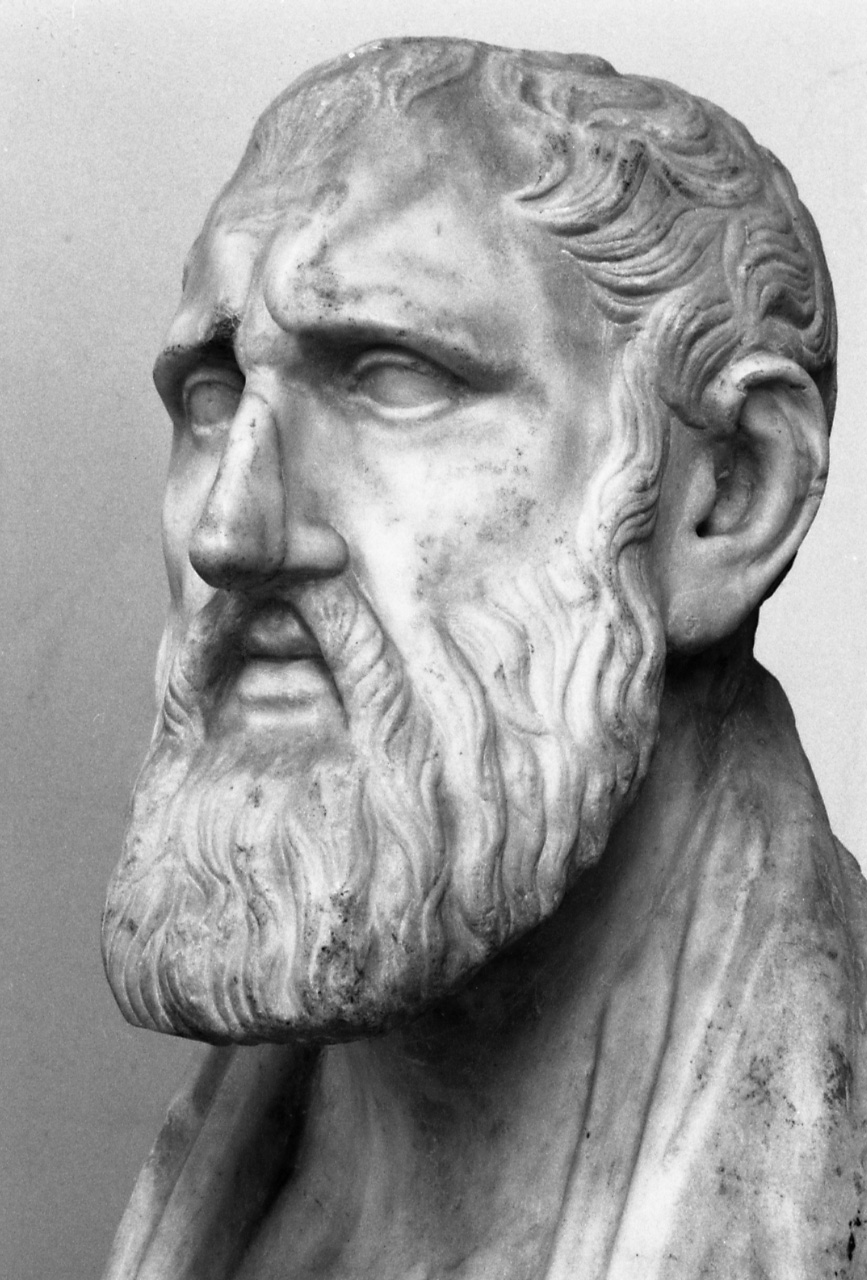
Stoicism, originating in Athens around 300 BCE with Zeno of Citium, is a philosophy of life that emphasizes the development of self-control and fortitude as a means of overcoming destructive emotions. It posits that the path to eudaimonia—a state of flourishing or living well—is found in virtue and living in accordance with nature and reason. The universe, according to Stoic thought, is governed by a rational principle, or Logos, and true happiness comes from understanding and accepting this order, focusing our energy on what we can control: our own judgments and actions. This practical philosophy is structured around three main branches: ethics, logic, and physics, all working in concert to cultivate a resilient and virtuous character.
🔬 How It Works (Mechanics)
The mechanics of Stoicism involve a rigorous internal discipline. At its heart is the dichotomy of control: distinguishing between what is within our power (our thoughts, judgments, desires, and actions) and what is not (external events, other people's opinions, health, wealth). Ethics dictates that virtue is the sole good, and vice the sole evil; externals are indifferent. Logic provides the tools for clear reasoning and accurate judgment, essential for discerning what is truly good or bad. Physics offers an understanding of the cosmos as a rational, deterministic system, encouraging acceptance of fate and our role within it. Daily practices often include journaling, premeditation of evils (praemeditatio malorum), and reflecting on one's actions against Stoic principles.
📊 Key Facts, Numbers & Statistics
Stoicism emerged in the Hellenistic period. Key figures include Zeno of Citium (founder), Epictetus, Seneca, and Marcus Aurelius. The philosophy was a dominant force in the Roman Empire, influencing figures from emperors to slaves. Modern interest in Stoicism has seen a resurgence, with millions engaging with its principles through books and online communities.
🌍 Real-World Examples & Use Cases
Stoicism's principles are remarkably adaptable. Marcus Aurelius, a Roman Emperor, famously applied Stoic discipline to governance and personal reflection in his Meditations. Epictetus, a former slave, taught Stoic resilience to Roman elites, emphasizing inner freedom regardless of external circumstances. Modern figures, from business leaders to military strategists, draw on Stoic tenets for mental toughness and decision-making. The practice of mindfulness, a popular secular technique, shares significant overlap with Stoic exercises in present-moment awareness and non-judgmental observation of thoughts.
📈 History & Evolution
The philosophical movement began with Zeno of Citium establishing his school at the Stoa Poikile in Athens around 300 BCE. Early Stoicism (Old Stoa) focused on logic, physics, and ethics. Middle Stoicism saw adaptations by figures like Panaetius and Posidonius, making it more accessible. The New Stoa, particularly in Rome, emphasized ethics and practical application, with Seneca, Epictetus, and Marcus Aurelius becoming its most enduring voices. While its influence waned with the rise of Christianity, its ideas were preserved and later rediscovered during the Renaissance and Enlightenment, influencing thinkers like René Descartes and Immanuel Kant.
⚡ Current State & Latest Developments
In the 21st century, Stoicism has experienced a significant revival, often termed the 'neo-Stoicism' movement. Online platforms, self-help books, and podcasts dedicated to Stoic philosophy have gained massive followings. Websites like Modern Stoicism and authors such as Ryan Holiday have popularized its practical application for modern challenges like stress, anxiety, and the pursuit of meaning. This resurgence is driven by a desire for actionable wisdom in a complex and often overwhelming world, offering a secular framework for personal growth and resilience.
🔮 Why It Matters & Future Outlook
Stoicism offers a powerful framework for navigating the inherent uncertainties of life, making it relevant for anyone seeking greater inner peace and effectiveness. Its emphasis on virtue as the sole good provides a stable moral compass, while its focus on the dichotomy of control empowers individuals to direct their energy wisely. For entrepreneurs and athletes, it offers mental toughness; for therapists and philosophers, it provides a robust ethical system. The future likely holds further integration of Stoic principles into secular psychology and leadership training, solidifying its place as a timeless guide for human flourishing.
🤔 Common Misconceptions
A common misconception is that Stoicism advocates for suppressing all emotions or becoming emotionless. In reality, Stoics aimed to manage destructive emotions like anger, fear, and excessive desire by understanding their root in faulty judgments, not by eradicating all feeling. Stoics distinguished between 'good' emotions (like joy, caution, and rational wishing) and 'bad' emotions (passions). Another misconception is that Stoicism is passive or fatalistic; while it teaches acceptance of what cannot be changed, it strongly emphasizes taking virtuous action within one's sphere of control. It's a philosophy of active engagement with life, guided by reason and virtue, not apathy. Finally, it's often seen as solely an ancient philosophy, but its practical application and resurgence in the 21st century demonstrate its enduring vitality.
Key Facts
- Category
- definitions
- Type
- concept
- Format
- what-is