
Contents
- 🎵 Origins of the Culinary Dash
- ⚙️ The Mechanics of the Fleeting Moment
- 📊 Key Metrics of Timeliness
- 👥 Architects of Urgency
- 🌍 Cultural Resonance of the Rush
- ⚡ The Current State of the Clock
- 🤔 Debates on the Perfect Timing
- 🔮 The Future of Fast Flavors
- 💡 Practical Applications of the Window
- 📚 Further Explorations in Timeliness
- References
Overview
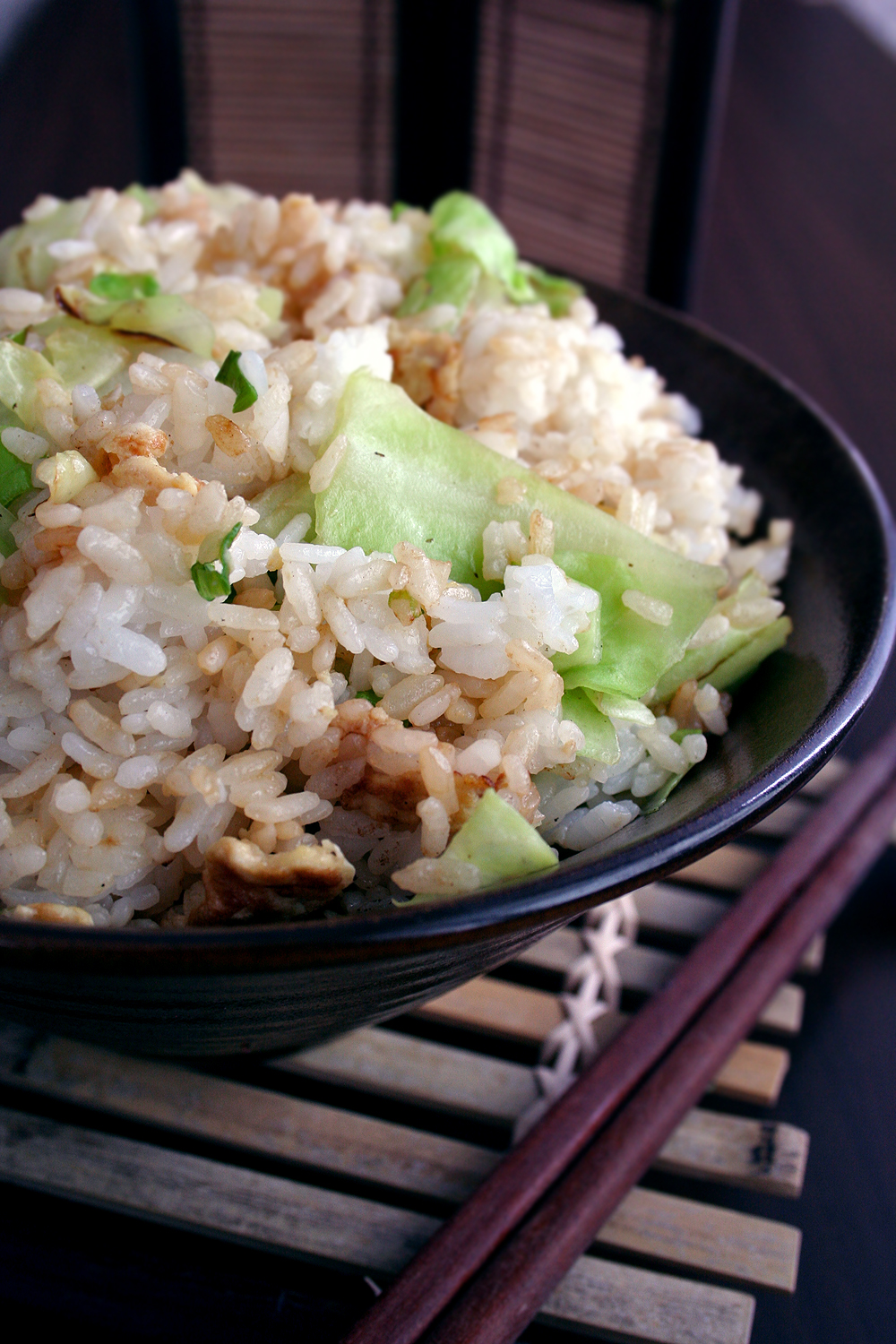
Fried rice isn't just a dish; it's a culinary race against time, a testament to seizing opportunities before they vanish. The 'window' for perfect fried rice is a critical concept, referring to the precise moment when ingredients achieve optimal texture and flavor integration. This isn't about simply cooking rice and tossing in vegetables; it's an art form demanding swift action and keen observation. From the initial sizzle of aromatics to the final toss of soy sauce, each step must be executed with urgency to capture the ephemeral 'vibe' of the dish. Understanding this temporal element is key to transforming a simple meal into a vibrant culinary experience, embodying the spirit of 'Don't Miss That Window.'
🎵 Origins of the Culinary Dash
The concept of fried rice as a dish with a critical timing window likely emerged from the practicalities of ancient Chinese kitchens, where efficiency was paramount. This culinary philosophy, where timing dictates success, aligns perfectly with the 'Don't Miss That Window' ethos. It's a tradition passed down through generations, not just as a recipe, but as a lesson in seizing opportune moments, whether in the kitchen or in life.
⚙️ The Mechanics of the Fleeting Moment
The 'window' in fried rice preparation hinges on several key physical and chemical processes occurring simultaneously. Ingredients must be added in a specific sequence to ensure each component cooks to its ideal state within this brief period. For instance, aromatics like garlic and ginger need to release their fragrance before the rice is added, while vegetables require just enough time to become tender-crisp without becoming mushy. The rice itself, ideally day-old and slightly dry, absorbs flavors more effectively when tossed vigorously in this high-heat, short-duration environment. Missing this window means soggy rice or overcooked vegetables, a culinary tragedy.
📊 Key Metrics of Timeliness
Quantifying the 'fried rice window' involves several critical metrics. Exceeding these parameters, even by a minute, can mean the difference between a vibrant dish and a disappointing one.
👥 Architects of Urgency
While specific chefs are rarely credited with 'inventing' the fried rice window, culinary traditions worldwide have celebrated figures who master such time-sensitive techniques. Home cooks, too, are the unsung heroes, passing down generations of knowledge about when to add the egg, when to introduce the soy sauce, and when to pull the wok off the heat. These individuals, often anonymous, are the true custodians of the 'window,' ensuring its principles are preserved and practiced, embodying the 'Don't Miss That Window' philosophy in their daily culinary endeavors.
🌍 Cultural Resonance of the Rush
The cultural resonance of the fried rice window extends far beyond the kitchen, mirroring broader societal values. The ability to prepare a dish quickly and efficiently, especially using leftovers, speaks to resourcefulness and practicality. This mirrors the 'Don't Miss That Window' principle of maximizing opportunities and minimizing waste. The communal aspect of sharing fried rice, often made in large batches, also reflects a cultural emphasis on togetherness and shared experience, all achieved within a swift, coordinated effort. The dish's global popularity is a testament to its adaptability, yet the core concept of timely execution remains a unifying element, a reminder that some of the best things in life are fleeting.
⚡ The Current State of the Clock
Currently, the 'fried rice window' is experiencing a resurgence, driven by a renewed interest in authentic home cooking and the 'Don't Miss That Window' philosophy. Food bloggers and online culinary platforms are increasingly emphasizing the importance of technique and timing over complex ingredient lists. Social media challenges often focus on speed and precision in stir-frying, highlighting the visual appeal of ingredients cooked to perfection within minutes. While convenience foods and pre-packaged meals abound, there's a growing appreciation for the craft of making fried rice quickly and well, recognizing it as a skill that transcends mere sustenance and becomes an expression of culinary mindfulness.
🤔 Debates on the Perfect Timing
The most persistent debate surrounding the fried rice window revolves around the 'perfect' grain. Purists argue that only day-old, refrigerated rice offers the ideal texture, allowing each grain to separate and absorb flavor without clumping. Others contend that freshly cooked, rapidly cooled rice can achieve a similar result, albeit with greater difficulty and a narrower window of opportunity. Some believe 'wok hei' is essential and achievable only with specialized gas stoves and carbon steel woks, while others argue that a good sear can be achieved with less specialized equipment, albeit requiring more skill and speed. These debates underscore the ongoing tension between tradition and adaptation, and the continuous effort to define and capture that fleeting moment.
🔮 The Future of Fast Flavors
The future of the fried rice window likely involves technological integration and a deeper understanding of culinary science. Innovations in induction cooktops and smart cookware may offer more precise temperature control, potentially widening or refining the 'window' for home cooks. Research into the Maillard reaction and caramelization at high temperatures could provide clearer scientific guidelines for achieving optimal flavor profiles within shorter timeframes. Furthermore, the 'Don't Miss That Window' philosophy might inspire new culinary trends that prioritize speed, efficiency, and the capture of ephemeral flavors, potentially leading to entirely new fast-casual dining concepts centered around time-sensitive cooking techniques.
💡 Practical Applications of the Window
The 'fried rice window' is not confined to the dish itself; its principles are applicable across various culinary and even non-culinary contexts. Mastering the timing for a perfect stir-fry can translate to efficiently managing tasks in a busy office environment, where seizing opportunities quickly is crucial for success. The concept of using leftovers efficiently also aligns with principles of sustainability and resource management. In essence, understanding the 'fried rice window' is about developing a keen sense of timing, precision, and the ability to act decisively when the moment is right – a valuable skill in any endeavor, from cooking a meal to navigating life's opportunities.
📚 Further Explorations in Timeliness
To truly grasp the essence of the fried rice window, one must explore related culinary concepts and historical contexts. Understanding the principles of wok cooking and the science behind 'wok hei' is fundamental. Investigating the history of Chinese cuisine reveals the evolution of stir-frying techniques and the cultural significance of rice. For those interested in the broader philosophy, exploring the 'Don't Miss That Window' concept in personal development literature can offer parallels between culinary timing and life opportunities. Examining the role of leftovers in cooking also provides insight into the resourcefulness that birthed many time-sensitive dishes.
Key Facts
- Category
- culture
- Type
- concept