
Contents
Overview
The genesis of hard rock music can be traced back to the mid-1960s, a period of intense experimentation within the rock and roll landscape. Precursors like The Rolling Stones and The Kinks began infusing their blues-based sound with a heavier, more amplified edge. Psychedelic rock bands such as The Yardbirds, featuring guitarists like Jeff Beck and Jimmy Page, pushed sonic boundaries with feedback and distortion. Garage rock's raw energy, exemplified by bands like The Sonics, also contributed to the emerging sound. By the late 1960s, acts like Cream, The Jimi Hendrix Experience, and Blue Cheer were delivering thunderous performances and recording tracks that are now considered foundational to hard rock, with their extended guitar solos and powerful rhythms setting a new standard for rock intensity.
⚙️ How It Works
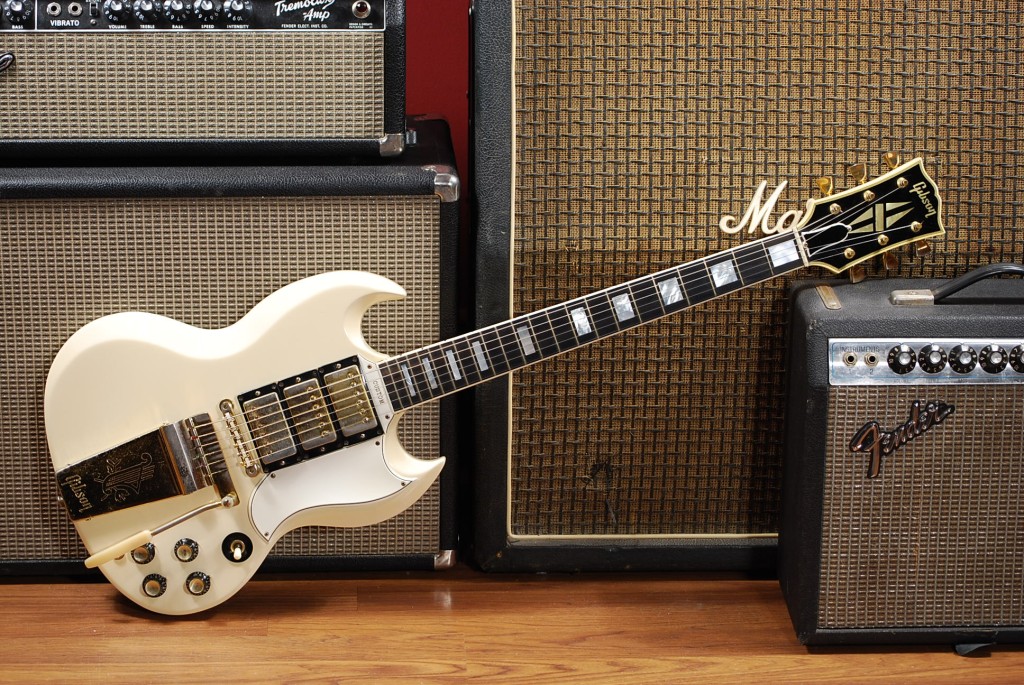
At its core, hard rock music is defined by its sonic architecture: heavily amplified and distorted electric guitars are paramount, often featuring prominent, driving riffs and extended, virtuosic solos. The rhythm section, comprising bass guitar and drums, provides a powerful, often syncopated foundation, with drummers like John Bonham of Led Zeppelin known for his thunderous, impactful playing. Vocals in hard rock tend to be strong and commanding, ranging from bluesy shouts to operatic wails, designed to cut through the dense instrumentation. Song structures often emphasize verse-chorus patterns but frequently incorporate instrumental breaks and bridges that showcase guitar prowess, a hallmark of the genre's emphasis on musicianship and raw power, as heard in tracks by Deep Purple and Aerosmith.
📊 Key Facts & Numbers
Hard rock has consistently commanded significant market share, with albums from the genre's golden era selling millions worldwide. The genre's peak commercial dominance occurred in the 1970s and early 1980s, with many bands achieving multi-platinum status. Live performances by hard rock bands often draw crowds exceeding 50,000, generating substantial income through ticket sales and merchandise.
👥 Key People & Organizations
The architects of hard rock are numerous, but certain figures and ensembles stand out. Ian Gillan, vocalist for Deep Purple, defined a powerful vocal style. Bands like Kiss and Alice Cooper brought theatricality and spectacle to their hard rock performances, creating iconic visual identities. Record labels like Atlantic Records were crucial in signing and promoting many seminal hard rock acts throughout the 1970s.
🌍 Cultural Impact & Influence
Hard rock's influence extends far beyond its direct listeners, permeating numerous facets of popular culture. The genre's anthemic qualities and stadium-filling sound paved the way for arena rock and influenced pop music's embrace of electric guitar. Visually, the flamboyant stage presence of bands like Kiss and Mötley Crüe set trends in fashion and performance art. Furthermore, the DIY ethos and raw energy of early hard rock bands inspired countless independent musicians and underground scenes, demonstrating its broad cultural resonance.
⚡ Current State & Latest Developments
In the 2020s, hard rock continues to maintain a dedicated fanbase, though its mainstream chart dominance has waned compared to its peak. Legacy acts like Metallica and Guns N' Roses continue to sell out stadiums, proving the enduring appeal of the genre. Newer bands such as Greta Van Fleet have emerged, drawing heavily on classic hard rock sounds and achieving significant success, demonstrating a resurgence of interest among younger audiences. Streaming platforms like Spotify and YouTube have made the genre's extensive catalog more accessible than ever, fostering new discoveries and renewed appreciation for its foundational artists and their groundbreaking work.
🤔 Controversies & Debates
One persistent debate within the hard rock community revolves around the genre's definition and its boundaries, particularly concerning its relationship with heavy metal. Critics often argue about which bands truly belong to hard rock versus early heavy metal, with bands like Led Zeppelin and Deep Purple frequently cited as examples of this ambiguity. Another point of contention is the commercialization of hard rock in the 1980s, with some purists arguing that bands like Bon Jovi and Def Leppard diluted the genre's raw power by incorporating more pop sensibilities and polished production, moving towards what became known as glam metal. The authenticity and artistic integrity of bands that achieved massive commercial success versus those who remained more underground are also subjects of ongoing discussion.
🔮 Future Outlook & Predictions
The future of hard rock music appears to be a blend of legacy preservation and innovative evolution. While established bands continue to tour and record, the genre's continued relevance will likely depend on its ability to inspire new generations of musicians. The success of bands like Greta Van Fleet suggests a potential for a revival of classic hard rock sounds, possibly integrated with contemporary production techniques. Furthermore, the increasing accessibility of music production tools and online collaboration platforms could lead to hybrid forms of hard rock emerging from diverse global scenes. The enduring power of the guitar riff and the visceral energy of live performance suggest that hard rock, in some form, will continue to resonate for years to come.
💡 Practical Applications
Hard rock music's influence is most directly felt in the live music industry, where its powerful sound and energetic performances are a staple of concert halls and arenas worldwide. Beyond concerts, its sonic elements have been adopted in film scores and television soundtracks to evoke feelings of power, rebellion, or intensity. The guitar techniques and riff-writing popularized by hard rock have become fundamental elements taught in music schools and guitar academies, forming the bedrock of modern electric guitar playing. Furthermore, the genre's emphasis on strong vocal melodies and memorable hooks has influenced songwriting across various popular music genres, from pop to country.
Key Facts
- Category
- culture
- Type
- genre