
Contents
Overview
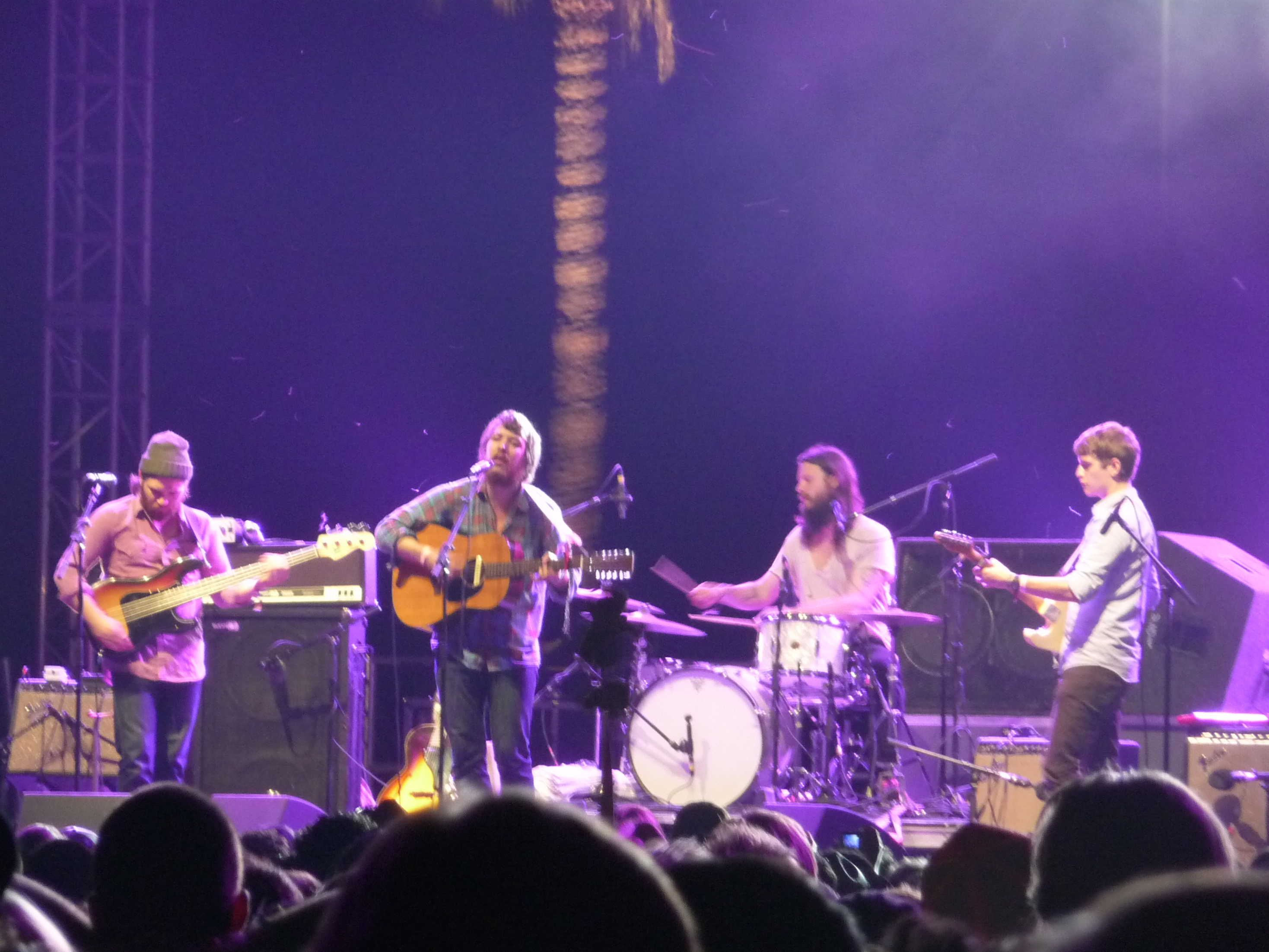
The seeds of Fleet Foxes were sown in Seattle, Washington, with Robin Pecknold and Skyler Skjelset forming the initial core. Pecknold, the primary songwriter and vocalist, developed a distinctive lyrical style that drew heavily from the natural world and introspective themes, a sound that would come to define the band. Their early material, characterized by intricate vocal arrangements and acoustic instrumentation, began to gain traction in the local scene. The band officially coalesced into its recognizable form with the addition of Casey Wescott, Christian Wargo, and Morgan Henderson, solidifying a lineup that would evolve over time but retain Pecknold and Skjelset as constants. Their breakthrough came with the release of the Sun Giant EP, a prelude to their critically lauded self-titled debut album, released later on the influential Sub Pop Records label.
⚙️ Sonic Architecture
Fleet Foxes' sonic identity is built upon a foundation of rich, multi-part vocal harmonies, often compared to classic folk and choral traditions. Pecknold's songwriting typically features layered melodies and complex chord progressions, frequently employing acoustic guitars, mandolins, and pianos. The band's arrangements are meticulously crafted, creating expansive soundscapes that evoke pastoral imagery and a sense of timelessness. Their music often incorporates elements of baroque pop and psychedelic folk, with instrumentation that can range from sparse acoustic arrangements to more elaborate, orchestral textures, as heard on albums like Crack-Up. This intricate approach to arrangement and vocal blending sets them apart from many contemporaries in the indie folk scene.
📊 Key Facts & Numbers
Fleet Foxes' debut album, released in 2008, sold over 100,000 copies in its first year in the US alone. Their 2011 follow-up, Helplessness Blues, debuted at number 4 on the Billboard 200 chart, selling approximately 89,000 copies in its first week. The band has received over 10 major award nominations across various music publications and organizations. Their music has been streamed billions of times across major platforms like Spotify and Apple Music. The band's core members have been involved in over 50 other musical projects and collaborations throughout their careers.
👥 Key People & Organizations
The central figures of Fleet Foxes are Robin Pecknold, the principal songwriter, vocalist, and guitarist, and Skyler Skjelset, the co-founding guitarist. Other long-standing members include Casey Wescott (keyboards, mandolin), Christian Wargo (bass, guitar), and Morgan Henderson (bass, guitar, woodwinds). The band's early career was significantly shaped by their association with Sub Pop Records, a label known for nurturing distinctive indie artists. Pecknold's lyrical and musical vision has been the driving force behind the band's artistic direction since its inception. Their consistent output and critical reception have also made them a significant entity within the broader landscape of indie music.
🌍 Cultural Impact & Influence
Fleet Foxes played a pivotal role in the resurgence of indie folk music in the late 2000s, influencing a generation of artists who embraced intricate harmonies and acoustic instrumentation. Their sound, often described as 'pastoral' or 'bucolic,' brought a sense of naturalism and introspection to the mainstream indie consciousness. The band's aesthetic, characterized by natural imagery and a timeless quality, has been widely emulated in album art, fashion, and visual media. Their music has been featured in numerous films and television shows, further cementing their cultural footprint. The critical success of their early albums, particularly Fleet Foxes and Helplessness Blues, helped define the sound and critical discourse surrounding the folk revival movement.
⚡ Current State & Latest Developments
As of 2024, Fleet Foxes continues to tour and release music, with their most recent album, Shore, released in September 2020. This album marked a shift in their thematic focus, exploring themes of connection, place, and resilience, and was notably released without prior announcement. The band has maintained a consistent presence on streaming platforms and continues to draw significant crowds for their live performances. While the core members remain active, individual members also pursue solo projects and collaborations, contributing to a dynamic creative ecosystem around the band. Their ongoing work suggests a sustained commitment to artistic exploration within their established sonic framework.
🤔 Controversies & Debates
One of the primary points of discussion surrounding Fleet Foxes has been their hiatus between Helplessness Blues (2011) and Crack-Up (2017). This extended break led to speculation about the band's future, with Pecknold focusing on his solo work, including the album Only Love Can Conquer All. The band's deliberate pacing and occasional periods of silence have sometimes led to debates about their output frequency versus their critical and commercial impact. Additionally, while widely celebrated, some critics have debated the extent to which their sound, while beautiful, can be seen as derivative of earlier folk traditions, though proponents argue their synthesis is unique and contemporary.
🔮 Future Outlook & Predictions
The future for Fleet Foxes appears to be one of continued artistic evolution, likely maintaining their signature sound while potentially exploring new sonic territories. Given Pecknold's prolific songwriting and the band's established critical standing, further albums are anticipated, though the timeline remains uncertain, mirroring their past patterns. There's potential for increased exploration of electronic textures or more experimental arrangements, building on the foundations laid in Crack-Up and Shore. The band's enduring appeal suggests they will remain a significant voice in contemporary folk and indie music, with their influence likely to persist among emerging artists seeking to capture a similar blend of lyrical depth and harmonic richness.
💡 Practical Applications
Fleet Foxes' music serves as a powerful example of how intricate vocal arrangements and acoustic instrumentation can be applied in contemporary music production. Their work is often studied in music composition classes for its sophisticated harmonic structures and melodic development. The band's soundscapes have also been utilized in film scoring and advertising, demonstrating the evocative power of their music to create specific moods and atmospheres. Furthermore, their success has provided a blueprint for independent artists navigating the music industry, showcasing the potential for critical acclaim and sustained career longevity through artistic integrity and a unique sonic vision, particularly within the indie folk genre.
Key Facts
- Category
- culture
- Type
- band