
Contents
Overview
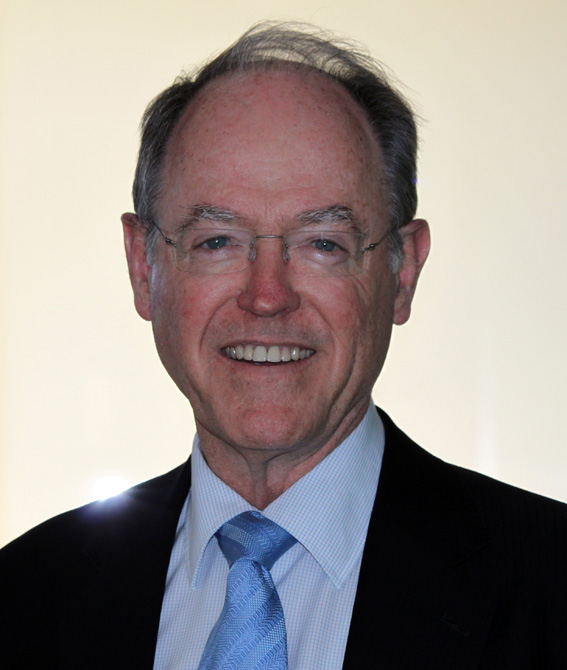
Donald Thomas Brash is a New Zealand economist and politician whose career spanned pivotal roles in both finance and national politics. He served as the Governor of the Reserve Bank of New Zealand for fourteen years, overseeing significant monetary policy shifts. Brash then transitioned into active politics, leading the New Zealand National Party and later heading the ACT New Zealand party briefly. His tenure as opposition leader was marked by a controversial speech at Orewa College that ignited national debate on Māori rights and national identity, significantly shaping the political discourse of the mid-2000s.
🎵 Origins & History
Donald Thomas Brash emerged from a background steeped in economics, educated at the University of Canterbury and the Australian National University. His early career saw him engage with international bodies, including a stint with the United Nations, before returning to New Zealand. His formative years were shaped by the economic reforms of the 1980s, a period of significant liberalization and restructuring in the country, which would later inform his approach to monetary policy and public discourse. His father, Alan Brash, was also an academic, instilling an early appreciation for intellectual rigor and public service.
⚙️ Economic Stewardship
Brash's most impactful period before politics was his fourteen-year governorship of the Reserve Bank of New Zealand. During his tenure, he was instrumental in implementing and maintaining a strict inflation-targeting regime, a policy framework that became a global benchmark. This era saw the bank gain significant operational independence, a move championed by Brash to insulate monetary policy from short-term political pressures. His leadership solidified the bank's reputation for credibility and effectiveness in managing the nation's currency and economic stability, a legacy that continues to influence central banking practices worldwide.
📊 Political Ascendancy
Resigning from the Reserve Bank, Brash entered the political arena as a list MP for the New Zealand National Party. He quickly ascended, challenging and unseating Bill English to become party leader in October 2003. His leadership propelled the National Party to significant gains in the 2005 general election, nearly unseating the incumbent Labour Party government. After stepping down as leader in 2006, he remained a prominent figure, eventually leading the ACT New Zealand party for a period in 2011, demonstrating a continued commitment to a classical liberal and conservative political platform.
👥 Key People & Organizations
Brash's career is intrinsically linked to several key institutions and figures. As Governor, he worked closely with the New Zealand Government and international financial bodies. Politically, his leadership of the National Party involved navigating complex relationships with coalition partners and engaging with prominent figures like Helen Clark, the then-Prime Minister. His academic background also connects him to institutions like the University of Canterbury, where he received an honorary doctorate, and Auckland University of Technology.
🌍 Cultural Impact & Influence
The most significant cultural impact of Don Brash stems from his 2004 Orewa College speech. This address, critical of what he termed 'Māori separatism' and preferential treatment, ignited a firestorm of debate across New Zealand. It forced a national reckoning with issues of Treaty of Waitangi settlements, biculturalism, and the very definition of national identity. While lauded by some as a courageous articulation of a particular viewpoint, it was condemned by others as divisive and regressive, leaving an indelible mark on New Zealand's social and political consciousness.
⚡ Current State & Latest Developments
Following his departure from ACT New Zealand in 2011, Don Brash has remained a public commentator and advocate for specific policy positions, particularly concerning economic reform and national sovereignty. He has continued to engage in public discourse through op-eds and occasional media appearances, often revisiting themes from his political career. While no longer holding elected office, his influence persists through his past policy decisions at the Reserve Bank and the enduring impact of the debates he helped to shape.
🤔 Controversies & Debates
The controversies surrounding Don Brash primarily revolve around his 2004 Orewa speech and its implications for race relations in New Zealand. Critics argued that his rhetoric exacerbated social divisions and undermined efforts towards reconciliation and partnership between Māori and the Crown. Supporters, however, contended that he was merely articulating legitimate concerns about fairness and equal treatment under the law, challenging what they perceived as an overly accommodating approach to Māori rights in policy-making. This fundamental disagreement over the interpretation and impact of his words continues to be a point of contention.
🔮 Future Outlook & Predictions
The future trajectory for figures like Don Brash in New Zealand politics suggests a continued role as elder statesmen or influential commentators. As the nation grapples with evolving understandings of its bicultural foundations and economic challenges, Brash's perspective, rooted in his experience as a central banker and political leader, may continue to inform policy debates. Whether his specific policy prescriptions gain traction or remain a historical reference point will depend on the shifting political landscape and the public's appetite for his particular brand of economic and social conservatism.
💡 Practical Applications
Brash's career offers practical applications in understanding the interplay between economic policy and political power. His governorship of the Reserve Bank provides case studies in inflation targeting, central bank independence, and the management of monetary policy during periods of economic transition. His political leadership, particularly the Orewa speech, serves as a critical example for analyzing the dynamics of identity politics, public discourse, and the impact of controversial rhetoric on electoral outcomes and national identity in a parliamentary democracy.
Key Facts
- Category
- people
- Type
- person