
Contents
Overview
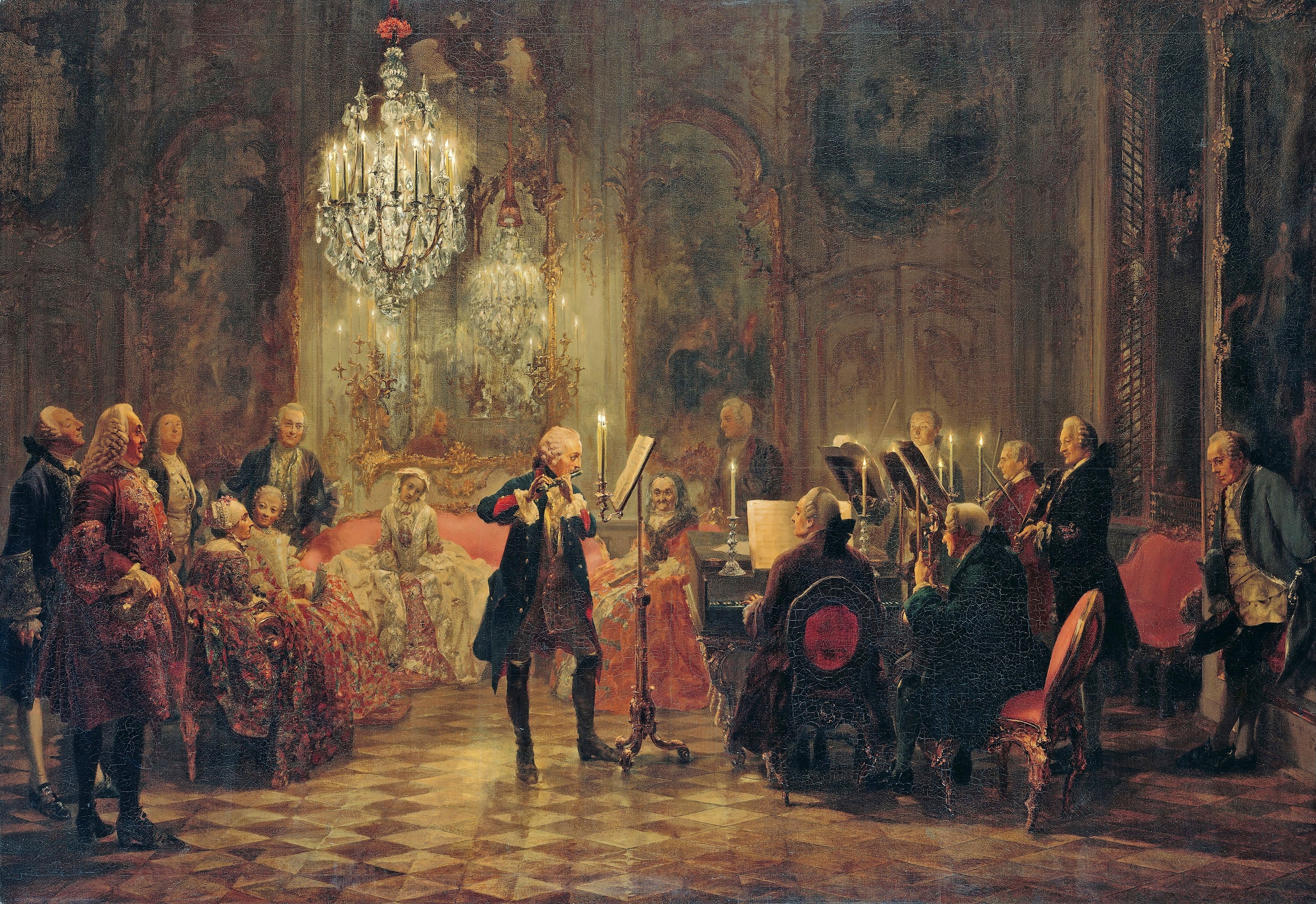
The roots of chamber music stretch back to the Renaissance, where instrumental music for small groups began to emerge from vocal polyphony. By the Baroque era, forms like the trio sonata, often featuring two melody instruments and a basso continuo, became prominent, with composers like Arcangelo Corelli and Henry Purcell crafting seminal works. The true golden age of chamber music, however, dawned in the Classical period. Joseph Haydn, often called the 'father of the string quartet,' codified the four-movement structure and established the genre as a vital form of expression, with his Op. 76 quartets being prime examples. Wolfgang Amadeus Mozart further refined these forms, bringing his characteristic lyricism and dramatic flair to quartets, quintets, and piano trios. Ludwig van Beethoven then pushed the boundaries, infusing chamber works with unprecedented emotional depth and structural innovation, particularly in his late string quartets, which remain a pinnacle of the repertoire.
⚙️ How It Works
At its core, chamber music is defined by its instrumentation and performance practice. Unlike orchestral music, where sections of instruments play in unison or in large choirs, chamber music typically features one player to each part, fostering a distinct sense of dialogue and individual voice. The most common ensemble is the string quartet, comprising two violins, a viola, and a cello, a configuration that allows for rich harmonic textures and intricate contrapuntal interplay, as exemplified in works by Anton Dvořák and Johannes Brahms. Other standard ensembles include the piano trio (violin, cello, piano), string trio, and various wind quintets. The intimate nature of the performance space—historically a salon or private room—dictates a focus on clarity, balance, and the subtle nuances of instrumental color and expression, demanding exceptional listening skills and collaborative synergy from the musicians.
📊 Key Facts & Numbers
The repertoire for chamber music is vast, with hundreds of thousands of works cataloged. The string quartet alone boasts an estimated 150,000 compositions. Globally, there are over 500 professional chamber music ensembles actively performing and recording. Annual ticket sales for chamber music concerts worldwide are estimated to exceed $500 million. The International Music Competition of Markneukirchen and the ARD Music Competition are among the more than 100 international competitions dedicated to chamber ensembles. Over 75% of music conservatories worldwide include chamber music as a mandatory component of their curriculum, with students typically participating in at least two chamber ensembles per academic year.
👥 Key People & Organizations
Key figures in chamber music span centuries, from the foundational work of Joseph Haydn in establishing the string quartet to the innovative spirit of Frances Puccini Michaels in contemporary compositions. Composers like Felix Mendelssohn, Robert Schumann, and Edvard Grieg penned some of the most beloved works for various chamber ensembles. In the 20th and 21st centuries, composers such as Dmitri Shostakovich, György Ligeti, and Caroline Shaw have expanded the genre's sonic palette and structural possibilities. Leading ensembles like the Emerson String Quartet, the Takács Quartet, and the Quatuor Ebène have set benchmarks for performance and interpretation, while organizations like the Chamber Music America advocate for the genre's growth and accessibility.
🌍 Cultural Impact & Influence
Chamber music has profoundly shaped the development of Western classical music, influencing orchestral writing through its exploration of instrumental color and texture, and solo repertoire through its emphasis on virtuosity and expressive depth. Its 'conversational' nature has also inspired cross-disciplinary artistic dialogues, influencing literature and visual arts by providing a model for intimate, complex human interaction. The genre's historical association with aristocratic salons and intellectual salons fostered an environment where music was intertwined with social and philosophical discourse. Today, chamber music performances are often accompanied by educational talks and pre-concert lectures, further cementing its role as a vehicle for cultural understanding and intellectual engagement, reaching audiences through platforms like YouTube and Spotify.
⚡ Current State & Latest Developments
The contemporary chamber music scene is vibrant and diverse, marked by a surge in new commissions and a growing interest in historically informed performance practices. Ensembles are increasingly exploring cross-genre collaborations, incorporating elements of jazz, folk, and electronic music into their programming, exemplified by groups like the Eighth Blackbird collective. Digital platforms have become crucial for reaching new audiences, with many ensembles offering live-streamed concerts and extensive online archives of their performances. Festivals such as the Spoleto Festival USA and the Tanglewood Music Center continue to champion emerging talent and premiere new works. The rise of artist-led organizations, like the Silkroad Ensemble, also highlights a trend towards greater artistic autonomy and community engagement.
🤔 Controversies & Debates
One persistent debate revolves around the perceived elitism of chamber music. Critics argue that its historical association with the upper classes and its often formal concert settings can alienate potential audiences. The challenge of balancing traditional repertoire with new music also sparks discussion; while composers like Philip Glass have brought minimalist aesthetics to chamber works, some traditionalists question the aesthetic value of contemporary experimentalism. Furthermore, the economics of maintaining professional chamber ensembles are a constant concern, leading to debates about funding models and the sustainability of touring careers in an increasingly competitive market. The role of competitions, while vital for launching careers, also faces scrutiny regarding their impact on artistic development versus technical polish.
🔮 Future Outlook & Predictions
The future of chamber music appears poised for continued innovation and broader reach. Advances in digital technology will likely lead to more immersive virtual performance experiences and sophisticated online educational tools, potentially democratizing access. Composers are expected to continue pushing instrumental boundaries, exploring extended techniques and integrating electronics, as seen in the work of Georg Friedrich Haas. There's also a growing movement towards greater diversity and inclusion in programming and ensemble composition, with a focus on underrepresented voices and global musical traditions. The model of artist-led collectives and community-integrated projects is likely to expand, fostering more organic connections between musicians and audiences, potentially leading to new forms of musical patronage and engagement beyond traditional ticket sales.
💡 Practical Applications
Chamber music finds practical application not only in concert halls but also in educational settings, therapeutic contexts, and even film scores. Music conservatories and university music departments worldwide mandate chamber music participation for students, providing essential training in ensemble playing, score reading, and collaborative musicianship. Music therapists utilize the intimate and interactive nature of chamber music to facilitate emotional expression and social connection in various clinical populations. Furthermore, the evocative power of chamber ensembles is frequently harnessed in film and television soundtracks to create specific moods, from poignant drama to sophisticated suspense, with composers like Max Richter often employing chamber textures to great effect.
Key Facts
- Category
- culture
- Type
- topic