
Contents
Overview
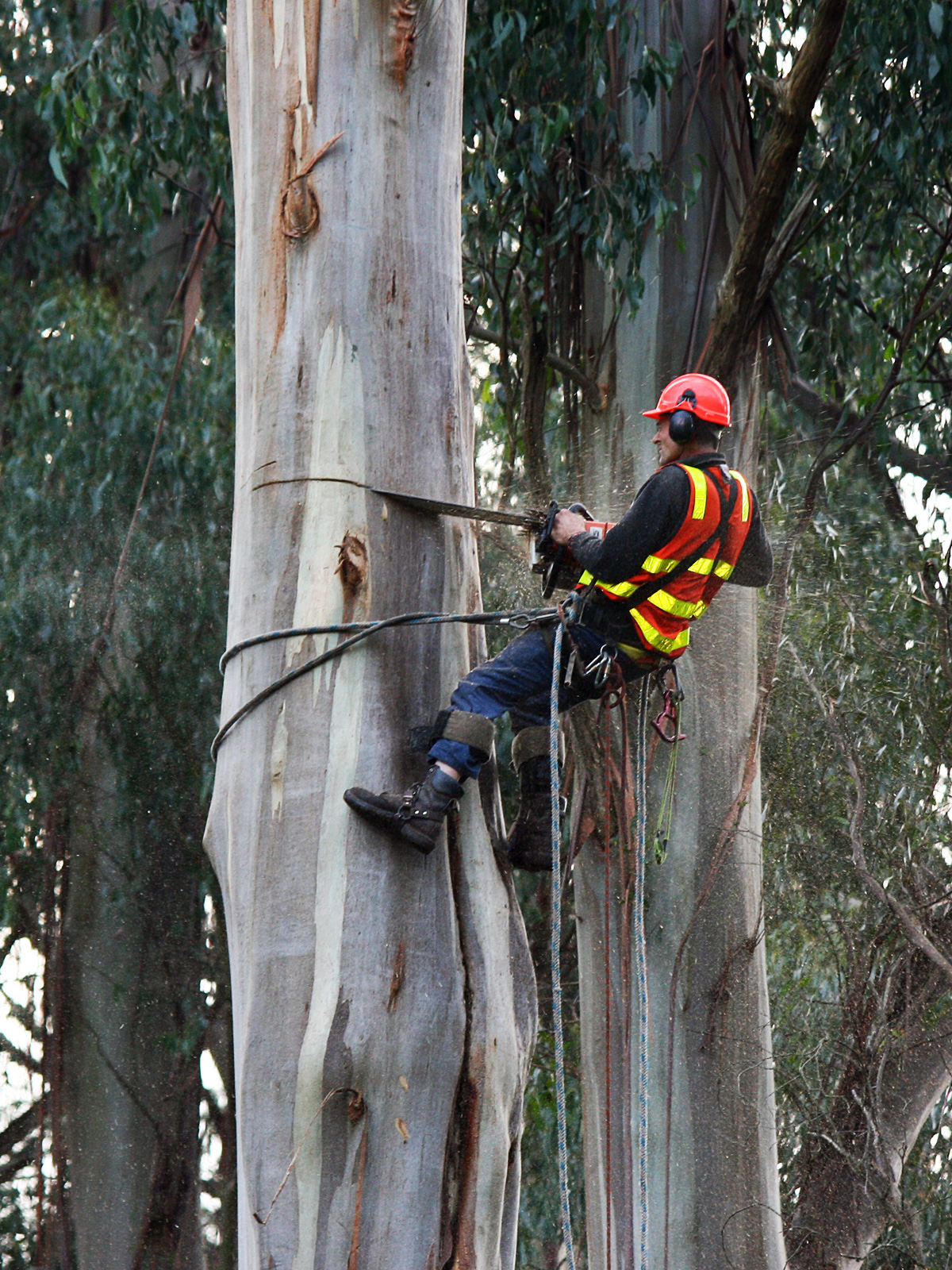
Arboriculture is the meticulous cultivation, management, and study of individual woody perennial plants, focusing on trees, shrubs, and vines. It delves into the science of plant growth and response to environmental factors and human intervention, encompassing practices from selection and planting to pruning, pest control, and removal. Arborists, or arboriculturists, are the professionals who apply these techniques, often navigating complex issues of risk management, legal compliance, and aesthetic considerations. This field is crucial for maintaining the health and longevity of urban and landscape trees, ensuring they don't become liabilities but rather assets that enhance our environment. It's about seizing the moment to nurture these vital organisms, much like seizing a fleeting opportunity before it's too late.
🎵 Origins & History
The roots of arboriculture stretch back to ancient civilizations that recognized the value of cultivating trees for fruit, shade, and timber. Early Romans and Greeks practiced rudimentary forms of tree care, as evidenced by texts discussing fruit tree cultivation and pruning. Figures like John Evans in the UK and Isaac Minch Felix in the US began to codify best practices, moving beyond simple tree surgery to a more holistic understanding of tree biology and environmental interaction. This era saw the establishment of early horticultural societies and botanical gardens that served as living laboratories for arboricultural experimentation, laying the groundwork for modern professional standards.
⚙️ How It Works
At its core, arboriculture involves a deep understanding of plant physiology and environmental science. Arborists employ a range of techniques, from precise pruning to mitigate structural weaknesses or improve form, to integrated pest management (IPM) strategies that minimize chemical use. Soil health is paramount, with practices like aeration and mulching aimed at improving root zone conditions. Diagnosing and treating diseases like Dutch elm disease or oak wilt requires knowledge of pathogens, vectors, and host susceptibility, often involving specific treatments like trunk injections or systemic fungicides. The process of tree risk assessment involves evaluating the likelihood of tree failure and the potential consequences, using tools like the Visual Tree Assessment (VTA) method developed by Alex Shigo and Claus Mattheck.
📊 Key Facts & Numbers
Studies by organizations like the U.S. Forest Service have quantified the significant stormwater management benefits provided by tree canopies, reducing runoff by millions of gallons annually in major cities.
👥 Key People & Organizations
Key figures in arboriculture include Alex Shigo, whose research revolutionized our understanding of tree decay and wound response. His work, detailed in seminal texts like 'A New Tree Biology,' challenged long-held assumptions and introduced concepts like compartmentalization of decay in trees (CODIT). The Tree Care Industry Association (TCIA) also serves as a crucial industry body, advocating for best practices and professional development among tree care businesses.
🌍 Cultural Impact & Influence
Arboriculture profoundly shapes our urban and suburban environments, influencing aesthetics, public health, and ecological balance. The presence of well-maintained trees contributes to the 'biophilia' effect, enhancing human well-being and reducing stress, as documented in numerous studies on the psychological benefits of green spaces. Tree canopies provide shade and cooling through evapotranspiration, mitigating the urban heat island effect, a phenomenon quantified by organizations like the U.S. Environmental Protection Agency (EPA). The visual impact of mature trees in parks, along streets, and in private gardens is undeniable, contributing to the character and desirability of neighborhoods, a factor often considered in urban planning by bodies like the American Planning Association.
⚡ Current State & Latest Developments
The field of arboriculture is currently experiencing a surge in technological integration and a heightened focus on sustainability. Drones are increasingly used for aerial surveys of large tree populations and for inspecting hard-to-reach areas, providing detailed imagery for risk assessment and health monitoring. Advanced diagnostic tools, such as sonic tomography and resistance drilling, offer non-invasive methods for assessing internal tree structure and decay. There's a growing emphasis on developing and planting tree species that can withstand drought, extreme temperatures, and novel pests and diseases exacerbated by climate change. Initiatives like the Urban Forest Initiative are pushing for greater integration of trees into city infrastructure, recognizing their vital ecosystem services.
🤔 Controversies & Debates
A significant debate within arboriculture revolves around the extent of intervention versus natural processes. Some practitioners advocate for minimal intervention, allowing trees to develop naturally unless there's a clear and present danger, while others emphasize proactive management, including aggressive pruning and disease prevention. The use of certain pesticides and herbicides also sparks controversy, with ongoing discussions about their environmental impact and the efficacy of organic or integrated pest management alternatives. Furthermore, the economic pressures on tree care companies can sometimes lead to practices that prioritize speed and cost-efficiency over the long-term health of the tree, a tension often highlighted by consumer advocacy groups and professional ethics boards.
🔮 Future Outlook & Predictions
The future of arboriculture is intrinsically linked to the challenges of climate change and increasing urbanization. We can expect a greater focus on developing and planting tree species that are genetically adapted to harsher environmental conditions, such as increased drought tolerance and resistance to invasive pests like the emerald ash borer. Predictive modeling, utilizing AI and machine learning, will likely play a larger role in forecasting disease outbreaks and assessing tree risk more accurately. There's also a growing movement towards 'urban forestry as infrastructure,' where trees are viewed not just as aesthetic elements but as essential components of a city's ecological and functional systems, managed with the same rigor as roads or water systems. The development of 'smart tree' technologies, embedding sensors to monitor soil moisture, nutrient levels, and structural integrity, is also on the horizon.
💡 Practical Applications
Arboriculture has direct practical applications in numerous settings. In urban environments, arborists manage street trees, park trees, and trees on commercial properties, ensuring public safety and enhancing the urban canopy. In residential settings, they provide services like pruning, health assessments, pest control, and safe tree removal for homeowners. For developers and construction companies, arborists conduct tree surveys to identify trees to be protected during development and advise on mitigation strategies. In horticulture, arboricultural principles are applied to the cultivation of fruit trees, nut trees, and ornamental woody plants in orchards, vineyards, and nurseries, optimizing yield and quality. Furthermore, arborists are often consulted for legal cases involving tree-related damages or liability.
Key Facts
- Category
- nature
- Type
- topic