
Contents
- 🌱 Origins: The First Harvest of Opportunity
- ⚙️ Mechanics: Seizing the Moment in Cultivation
- 📊 Scale: Quantifying the Agricultural Window
- 🧑🌾 Key Players: Architects of Agricultural Timing
- 🌍 Global Reach: Opportunities Across Continents
- ⚡ Modern Frontiers: The Evolving Agricultural Landscape
- ⚖️ Debates: The Ethics of Agricultural Timing
- 🔮 Future Harvests: Predicting the Next Opportunity
- 💡 Practical Cultivation: Seizing Yields Today
- 📚 Further Cultivation: Expanding Your Knowledge
- References
Overview
Agriculture, at its core, is the strategic cultivation of plants and animals to yield essential products. This economic sector, intrinsically linked to the primary sector of the economy and the broader food system, demands a keen understanding of timing and resource management. From the initial sowing of seeds to the final harvest, each stage presents a critical window of opportunity for maximizing yield and ensuring sustainability. Modern agriculture continues to evolve, presenting new avenues for innovation and efficiency, but also demanding swift adaptation to changing environmental and economic conditions. The ability to seize these fleeting moments—whether through adopting new precision farming techniques, responding to market demands, or implementing sustainable practices—determines the long-term viability and success of agricultural endeavors.
🌱 Origins: The First Harvest of Opportunity
The genesis of agriculture wasn't merely about planting seeds; it was humanity's first grand experiment in seizing a predictable future. This transition transformed hunter-gatherer societies into settled agrarian communities. This early mastery of timing and cultivation laid the groundwork for all subsequent human development, demonstrating that foresight and timely action were key to unlocking civilization's potential.
⚙️ Mechanics: Seizing the Moment in Cultivation
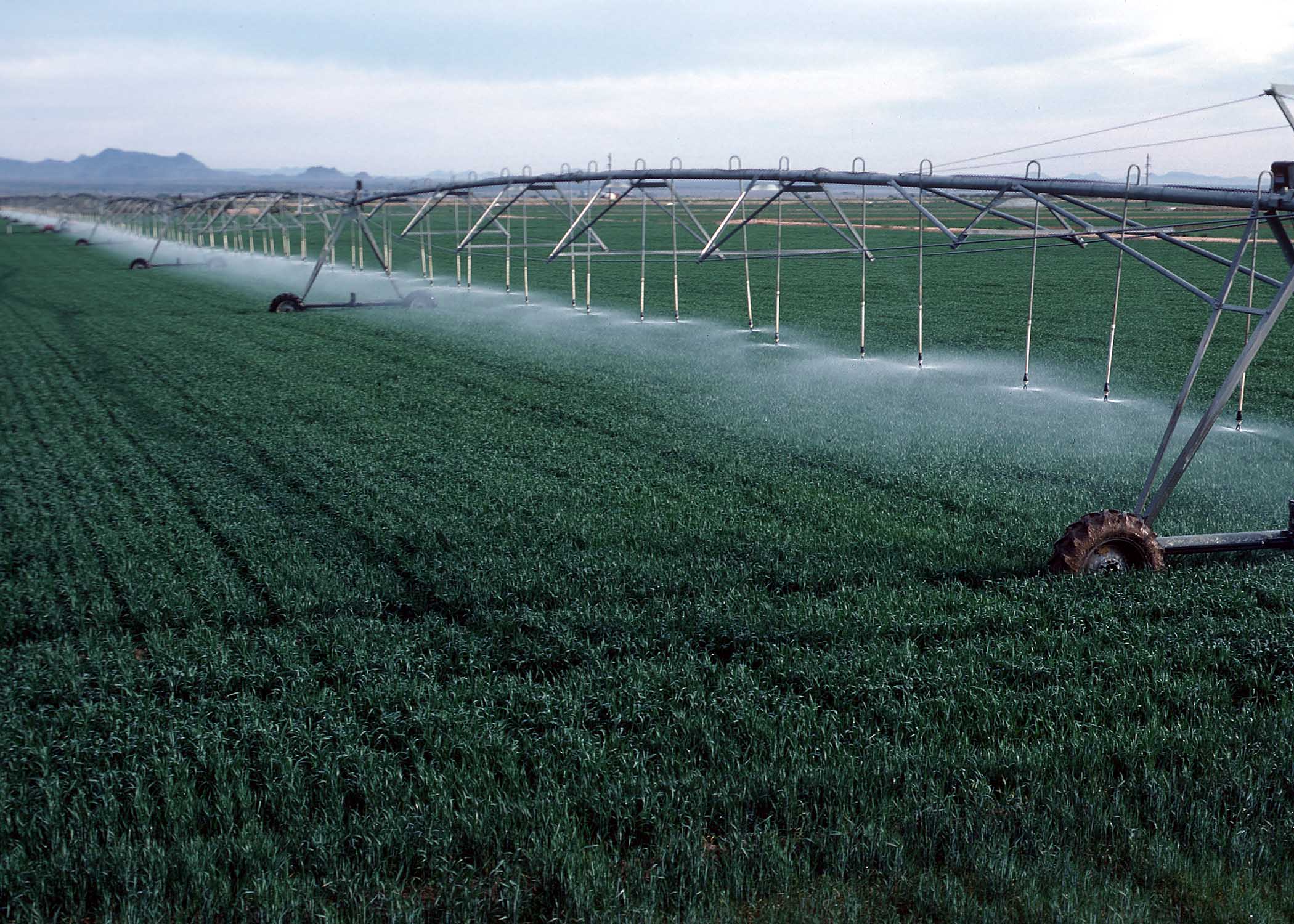
The operational heart of agriculture lies in meticulously timed interventions. From the precise moment to till the soil, to the optimal planting window dictated by soil moisture and temperature, to the critical timing of irrigation and pest control, every action must align with the plant's life cycle and environmental cues. For instance, the application of fertilizers must occur when plants are actively growing and can best absorb the nutrients, typically during specific growth stages like vegetative growth or flowering, to avoid waste and environmental runoff. Similarly, harvesting must be executed when crops reach peak ripeness, balancing maximum yield with quality and minimizing losses due to spoilage or adverse weather. This intricate dance with nature requires constant monitoring and rapid decision-making, embodying the 'seize the opportunity' ethos, as a missed window for planting or harvesting can significantly impact the entire year's output, as seen in the challenges faced by maize farmers during unseasonable rainfall.
📊 Scale: Quantifying the Agricultural Window
Globally, agriculture represents a colossal economic sector. This vast network comprises over 500 million farms worldwide, with a significant majority being family-run operations. The efficiency of these operations, measured by yield per hectare or per unit of input, is a constant pursuit, driven by the need to feed a growing global population. Understanding these numbers is crucial for identifying opportunities, whether in optimizing resource allocation for a smallholder in India or scaling biotechnology solutions for large-scale producers in the United States.
🧑🌾 Key Players: Architects of Agricultural Timing
The agricultural landscape is populated by a diverse array of individuals and organizations, each playing a role in seizing opportunities. Smallholder farmers in regions like Vietnam and Turkey are often the first responders to immediate environmental shifts, making critical decisions daily. Beyond the farm gate, entities like the Food and Agriculture Organization (FAO) of the United Nations provide crucial data and policy guidance, helping nations identify and capitalize on agricultural potential. Agribusiness giants such as Bayer AG and Corteva Agriscience drive innovation through the development of advanced seeds, crop protection chemicals, and digital farming tools, creating new avenues for efficiency and yield. Researchers at institutions like the Wageningen University & Research in the Netherlands continuously push the boundaries of agricultural science, unlocking future opportunities through genetic engineering and improved cultivation techniques.
🌍 Global Reach: Opportunities Across Continents
Agriculture's impact is felt globally, with diverse approaches to seizing opportunities reflecting local conditions and cultures. In France, debates around pesticide use in fast-food staples like fries highlight the tension between industrial efficiency and consumer demand for cleaner products. Meanwhile, in China, initiatives like the ecological parks in Shanghai's Jiading district offer opportunities for agritourism and direct consumer engagement, blending farming with leisure and education. Vietnam's agricultural sector, a critical component of its economy, continuously seeks to optimize its output, particularly in rice and coffee production, by adopting new technologies and market strategies. These varied examples underscore that agricultural opportunity is not monolithic but is shaped by regional contexts, consumer preferences, and governmental policies, demanding tailored strategies for each locale.
⚡ Modern Frontiers: The Evolving Agricultural Landscape
The 21st century has ushered in an era of unprecedented technological advancement in agriculture, creating new windows for optimization and efficiency. Precision agriculture, leveraging Global Positioning System technology, sensors, and data analytics, allows farmers to manage fields with remarkable granularity, applying water and nutrients only where and when needed. Biotechnology has yielded genetically modified crops resistant to pests and diseases, or capable of thriving in challenging environments, opening up previously unviable land for cultivation. Digital platforms and farm management software provide real-time insights into crop health, weather patterns, and market prices, empowering farmers to make more informed, timely decisions. Companies like John Deere are at the forefront, integrating automation and connectivity into their machinery, signaling a future where data-driven insights are as crucial as the plow itself.
⚖️ Debates: The Ethics of Agricultural Timing
The pursuit of agricultural opportunity is not without its controversies, often centering on the timing and methods of intervention. Debates rage over the widespread use of pesticides and herbicides, with critics arguing that their application, often dictated by industrial efficiency, poses long-term risks to environmental health and biodiversity, as exemplified by discussions surrounding glyphosate use. The ethics of genetically modified organisms (GMOs) remain a contentious issue, with proponents highlighting their role in increasing yields and resilience, while opponents raise concerns about potential ecological impacts and corporate control over the food supply. Furthermore, the increasing consolidation of agricultural land and resources into the hands of large corporations raises questions about fairness and the viability of smallholder farms, creating a complex ethical landscape where maximizing immediate opportunity must be balanced against long-term social equity and environmental stewardship.
🔮 Future Harvests: Predicting the Next Opportunity
The future of agriculture hinges on our ability to anticipate and capitalize on emerging opportunities. Vertical farming and hydroponic systems promis
Key Facts
- Category
- science
- Type
- topic